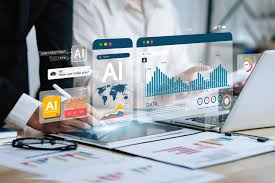
Manual accounting tasks have traditionally been a major source of errors and inefficiency for businesses. Data entry mistakes, miscalculations, and missed entries not only disrupt financial records but also create compliance risks. Leveraging AI software for accounting helps businesses automate repetitive processes, improve accuracy, and streamline daily accounting tasks. By integrating artificial intelligence into accounting workflows, companies can focus on decision-making and strategic financial planning rather than routine, error-prone operations.
1. Automated Transaction Recording
Daily accounting involves recording transactions from invoices, receipts, bank statements, and more. AI solutions can automate this process, ensuring accuracy and consistency.
- Error Elimination: AI tools automatically read, categorize, and enter transactions. By eliminating manual data entry, human errors such as duplicate entries, incorrect amounts, or misclassified accounts are avoided, which strengthens financial reliability.
- Time Efficiency: Manually entering hundreds of transactions can take hours each week. Automation completes this process in minutes, freeing finance teams to focus on critical activities like budget analysis and strategic planning.
- Consistency in Records: Automated systems maintain uniformity in ledger entries and categorization. This ensures that all financial data follows the same format, making audits and reporting much simpler and more accurate.
By automating transaction recording, businesses can maintain accurate, up-to-date financial records with minimal manual intervention and a higher level of confidence in their data.
2. Streamlined Invoice Processing
Invoices are central to business operations, and handling them manually often leads to missing or incorrect entries. AI accounting solutions automatically capture invoice data and match it to payments, ensuring seamless processing.
- Accurate Data Capture: AI systems extract all relevant information from invoices, including amounts, dates, and vendor details. This reduces errors from misreading or misentering data and ensures that every invoice is accounted for correctly.
- Faster Processing: Automation accelerates invoice approvals and ensures timely payments to vendors. This improves vendor relationships, strengthens credibility, and maintains smooth business operations.
- Reduced Disputes: Proper matching of invoices to payments minimizes discrepancies. Vendors and internal teams can resolve issues faster, enhancing trust and reducing the administrative burden of manual reconciliation.
Automated invoice processing ensures accuracy and efficiency, allowing accounting teams to handle large volumes of invoices without mistakes while maintaining strong vendor relationships.
3. Error-Free Bank Reconciliation
Reconciling bank statements with internal records is a critical but often error-prone task. AI solutions streamline reconciliation by cross-checking transactions automatically.
- Quick Verification: Transactions are matched in seconds, dramatically reducing the time accountants spend manually comparing statements with internal ledgers. This ensures faster monthly and quarterly financial closings.
- Discrepancy Alerts: Any mismatched entries are flagged immediately, allowing quick investigation and correction. This prevents issues from snowballing and reduces the risk of financial misstatements.
- Improved Accuracy: Automation eliminates manual calculation mistakes and missed transactions, ensuring that bank statements and ledgers are perfectly aligned and that financial data remains reliable.
By automating bank reconciliation, businesses can achieve accurate financial records, maintain cash flow visibility, and reduce the stress associated with manual checks.
4. Expense Tracking and Categorization
Tracking expenses manually can lead to errors in categorization, affecting budgeting and reporting. AI accounting tools automatically capture and classify expenses, providing accurate insights.
- Precise Categorization: Expenses are automatically assigned to the correct accounts. This reduces misclassification errors, ensuring budgets, P&L statements, and balance sheets are accurate and reliable.
- Real-Time Visibility: Teams can monitor spending trends instantly through dashboards and alerts. Managers can identify overspending, allocate resources efficiently, and prevent budget overruns.
- Time Savings: Eliminates repetitive manual entry of expense data. Accounting teams can focus on analysis, forecasting, and strategic decision-making, instead of getting bogged down by clerical work.
Automated expense tracking ensures businesses maintain clarity in financial records, minimize errors, and make informed decisions regarding cost control and resource allocation.
5. Financial Reporting and Analytics
Generating reports manually can introduce inaccuracies, especially when consolidating multiple accounts. AI accounting tools provide automated, accurate reporting with analytics for actionable insights.
- Accurate Reports: Automated systems pull data directly from ledgers and transactions, minimizing errors that occur during manual compilation. Financial statements are precise and ready for audits.
- Real-Time Insights: Businesses gain access to up-to-date financial data instantly. This enables managers to make informed decisions quickly, respond to market changes, and optimize operations.
- Customizable Outputs: Reports can be tailored for internal analysis, investor presentations, or regulatory submissions. Customization ensures relevance while maintaining accuracy and compliance.
Automated reporting ensures precise, timely financial information that supports strategic planning and improves decision-making.
6. Secure Data Management
Accounting involves sensitive financial information. AI solutions safeguard this data, reducing errors caused by lost or mishandled files.
- Encrypted Storage: Sensitive financial data is protected from unauthorized access, cyber threats, and leaks. This ensures confidentiality for both the business and its employees.
- Automated Backups: AI systems regularly back up accounting data. Even if technical failures or human mistakes occur, records remain safe and recoverable.
- Access Control: Only authorized personnel can view or modify financial data. This reduces errors due to accidental changes and maintains strict accountability.
Secure data management ensures accuracy, reliability, and confidentiality, building confidence in the organization’s financial processes.
7. Scalability for Growing Businesses
As businesses expand, manual accounting tasks grow increasingly complex. AI accounting solutions scale easily to handle higher transaction volumes and more complex processes.
- Handles Growth: AI systems can manage larger transaction volumes, additional accounts, and multiple employees without increasing manual workload. This supports seamless business expansion.
- Seamless Integration: AI tools integrate with existing accounting platforms like Tally or Zoho Books. This avoids disruption and maintains consistent workflows across departments.
- Future-Ready: Scalable systems can adapt to new policies, regulations, or compensation structures without requiring major system changes. Businesses remain agile and compliant.
Scalability ensures that accounting processes remain accurate, efficient, and adaptable as the business evolves.
Conclusion
Implementing AI solutions for daily accounting tasks transforms business operations by reducing manual errors and improving accuracy across transaction recording, invoice processing, bank reconciliation, payroll, and reporting. Companies like AI Accountant have integrated these tools into their services to automate routine accounting tasks, maintain precise records, and provide real-time financial insights. Leveraging AI-powered accounting not only minimizes errors but also enhances efficiency, compliance, and decision-making, enabling businesses to focus on growth and strategic planning in a rapidly evolving financial landscape.