
There is a quiet tension in almost every home refresh: the pull of a shiny impulse buy versus the patience of a well-planned purchase. On one side sits the sofa you saw in a lifestyle photo an hour ago, already loaded into your cart. On the other sits a room you actually live in, with light that changes through the day, kids who spill juice, a partner who reads late, and a rug that survived the last move. Both realities want your attention, and both are trying to shape the same decision. The difference between a room that feels considered and a room that feels crowded often comes down to whether you shopped in a hurry or shopped with a plan. This article looks at the very different outcomes of these two mindsets, and how a thoughtfully approached seasonal sale can move you from cluttered corners and mismatched pieces to a living space that finally makes sense.
The Real Cost of an Impulse Buy
Impulse buying rarely looks like impulse buying in the moment. It looks like inspiration. You are scrolling, you spot a curved velvet chair in a beautiful room, and by the time you close the tab you have already imagined it beside your window. The problem is that the room in the photo is not your room. The chair may not fit your traffic flow, your color palette, or your daily habits. When the box arrives, the piece stands out for all the wrong reasons, and you are left with the choice between living with a mistake or absorbing the friction of a return.
There is also a subtler cost. Every impulse buy takes up mental and physical space that a more suitable piece could have occupied. A well-chosen living room furniture sale works in the opposite direction. It invites you to pause, compare, and match pieces to how you actually live rather than how a stylized photo tells you to live. That pause is where the value hides.
What Strategy Actually Looks Like
Strategy in furniture shopping does not require spreadsheets or interior design credentials. It requires a short list of honest questions asked before you open a single browser tab. How many people use the room on a normal evening? Is there a corner that always feels awkward? Do you host often, or is the room mostly for two? Do pets share the couch, and does the fabric need to forgive them? These questions tell you far more than any trend forecast.
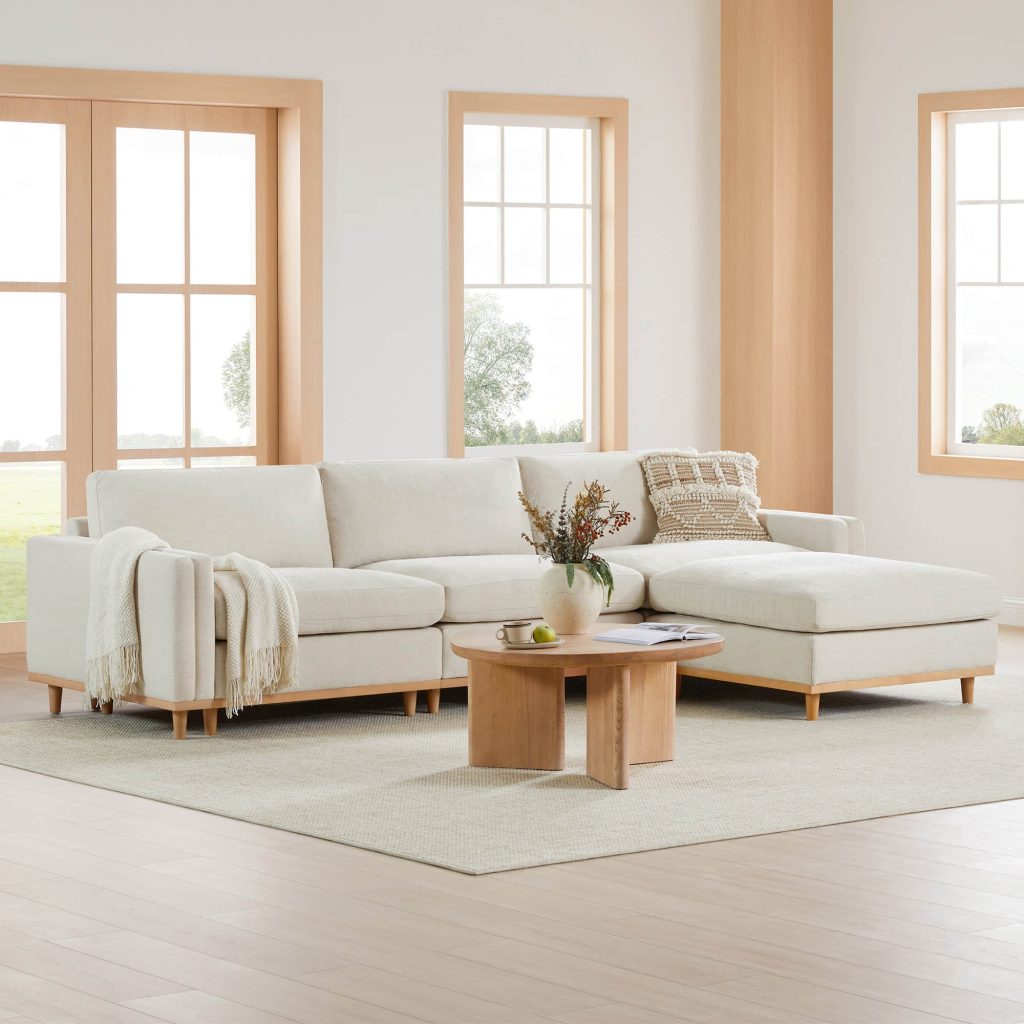
Once you have the answers, a seasonal promotion becomes a tool rather than a temptation. You are no longer scanning for the loudest deal. You are scanning for the piece that solves a specific problem in a specific room. That shift, from browsing to matching, is what separates a satisfying purchase from one that quietly nags at you for years.
Silhouette, Scale, and the Room You Already Have
Scale is the single most common casualty of hurried shopping. A sectional that looks compact in a warehouse photo can swallow a small apartment. A dainty accent chair can vanish in a great room with tall ceilings. Before you commit, map the footprint of any large piece with painter’s tape on the floor. Walk around it. Sit where the coffee table would be. If the tape makes the room feel tight, the real piece will feel tighter.
Silhouette matters just as much. A tuxedo sofa suggests one mood, a curved wraparound suggests another, and a low-slung leather recliner suggests a third. Choose the silhouette that matches how you use the room, not the one that photographs best. If your evenings involve stretching out with a book or a screen, deep seats and generous armrests will reward you every night. If the room doubles as a workspace or a social hub, more upright shapes with sharper lines usually serve better.
Fabric, Frame, and the Long Game
Discount culture often trains us to look at the sticker first. Long-term satisfaction, though, is decided by fabric weave, cushion fill, and frame construction. Performance fabrics resist stains and hold their color under sunlight. Feather-blend cushions offer a soft sink but need occasional fluffing. High-resilience foam bounces back and holds its shape. Kiln-dried hardwood frames stay quiet under weight; softer frames tend to creak within a year or two.
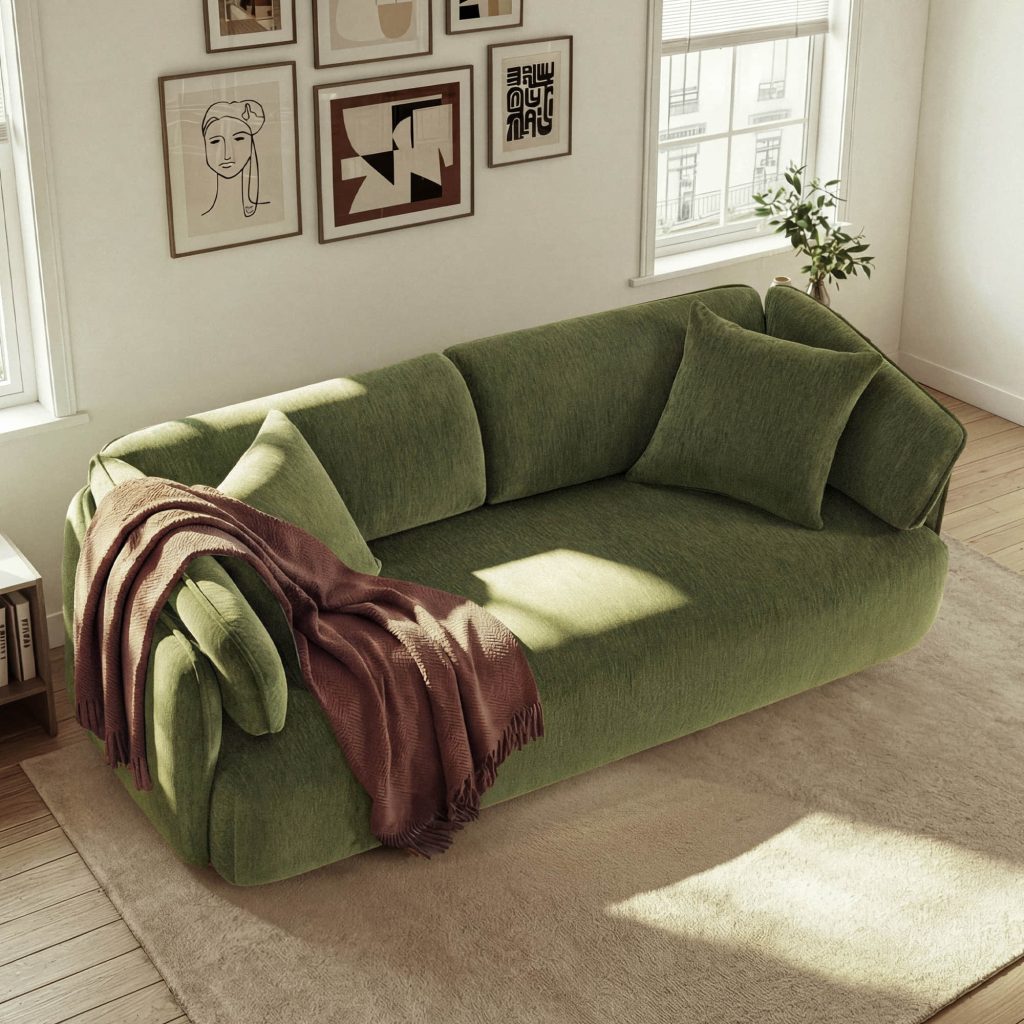
None of this is glamorous, and none of it makes for a striking product photo. Yet these are the details that decide whether a sofa still feels like a good decision after three winters. When you review a sale, treat these specifications as the headline rather than the fine print. Brands such as CHITA LIVING publish this information openly, which makes cross-comparison straightforward and takes some of the guesswork out of the process.
Building a Room, Not a Collection
Another difference between impulse shopping and strategic shopping is coherence. Impulse shoppers end up with a collection of individually beautiful pieces that do not talk to each other. Strategic shoppers end up with a room, which is a very different thing. Coherence does not mean everything matches. It means the pieces share a visual logic: a temperature of wood tone, a family of textures, or a rhythm of shapes that repeats in subtle ways.
A useful trick is to pick an anchor piece first, usually the sofa, and let it set the tone for the surrounding choices. If the sofa is warm and overstuffed, sharp modern side tables might feel out of place. If the sofa is trim and architectural, a chunky rustic coffee table can pull the room off balance. Buying the sofa in isolation, then trying to build outward, is much easier than reverse-engineering a room around three unrelated impulse buys.
Reading a Sale Without Getting Read By It
Sale pages are designed to move you quickly, and speed is the enemy of a good furniture decision. A few habits keep you in charge. Save items to a wishlist rather than a cart, and let them sit overnight before you review them again. Compare dimensions to the tape outline you already made on the floor. Read reviews from buyers whose homes sound like yours. Check the return window and the delivery timeline, because a great price with an impossible return policy is not a great price.
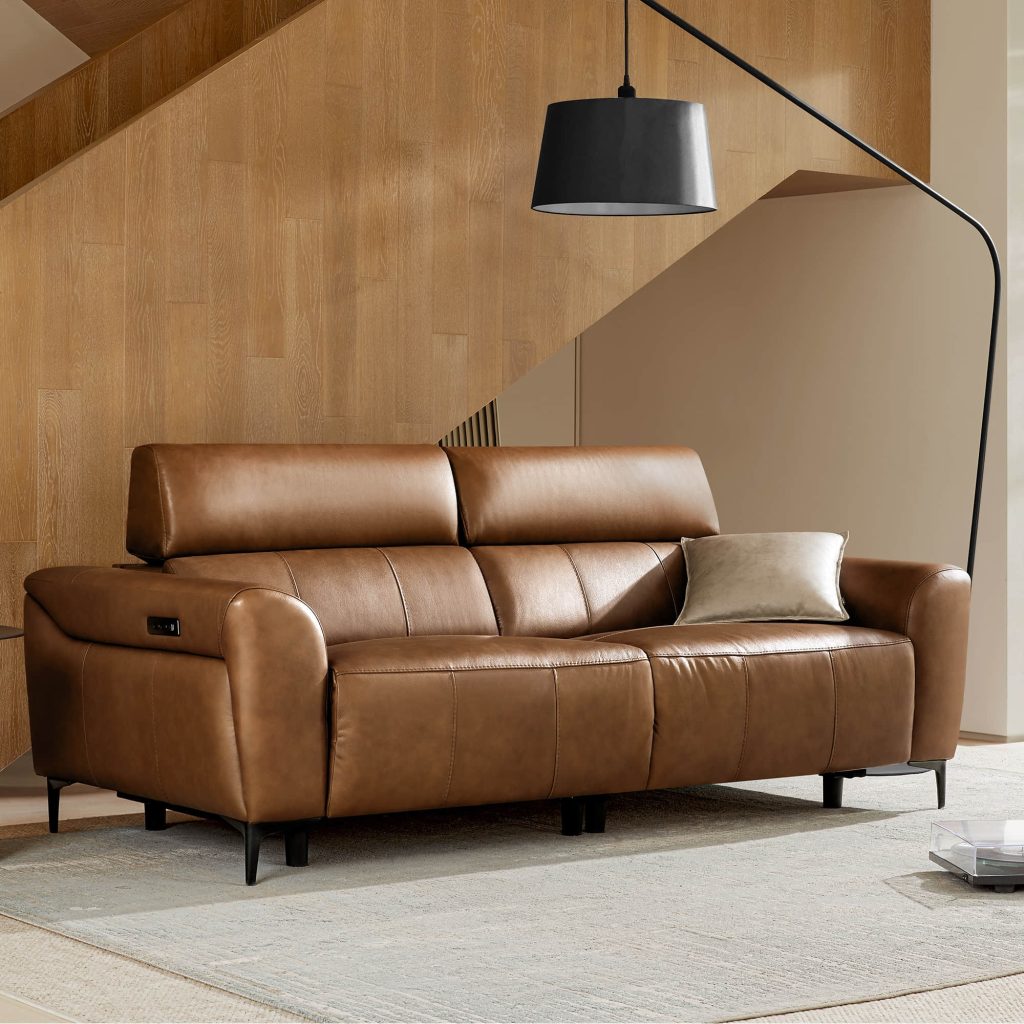
It also helps to shortlist by function before you shortlist by look. If the room needs a recliner for a member of the household with back pain, filter for that first. If a family needs a sectional with washable covers, filter for that. Only after the practical filters are in place should you sort by style. This order protects you from the most common impulse pattern, which is falling for a look and then quietly convincing yourself the function will work out.
Where Real Value Lives
Real value in a sale is not the biggest markdown. It is the piece you would have chosen at full price, purchased under better terms. That definition changes how you shop. Instead of asking whether a deal is good, you ask whether the piece is right, and then whether the timing lets you own it comfortably. When both answers align, the sale has done its job. When only the price is compelling, walk away, because a discount on the wrong piece is still a full-price mistake in disguise.
Choosing Rooms Over Rushes
The gap between an impulse buy and a strategic purchase is not about willpower or budget. It is about the questions you ask before you shop and the patience you show once you start. Impulse shoppers chase feelings and inherit rooms that never quite settle. Strategic shoppers chase fit and inherit rooms that grow more comfortable over time. A well-timed seasonal event is neither hero nor villain in this story. It is simply a moment when good pieces become easier to own, and the outcome depends entirely on how you approach it. Bring your measurements, your habits, and your honest sense of how the room is used, and a sale becomes a shortcut to a home that feels right. Skip that preparation, and even the deepest markdown will still leave you rearranging the same regrets. Choose the room you actually live in, and let the sale serve that room rather than the other way around.