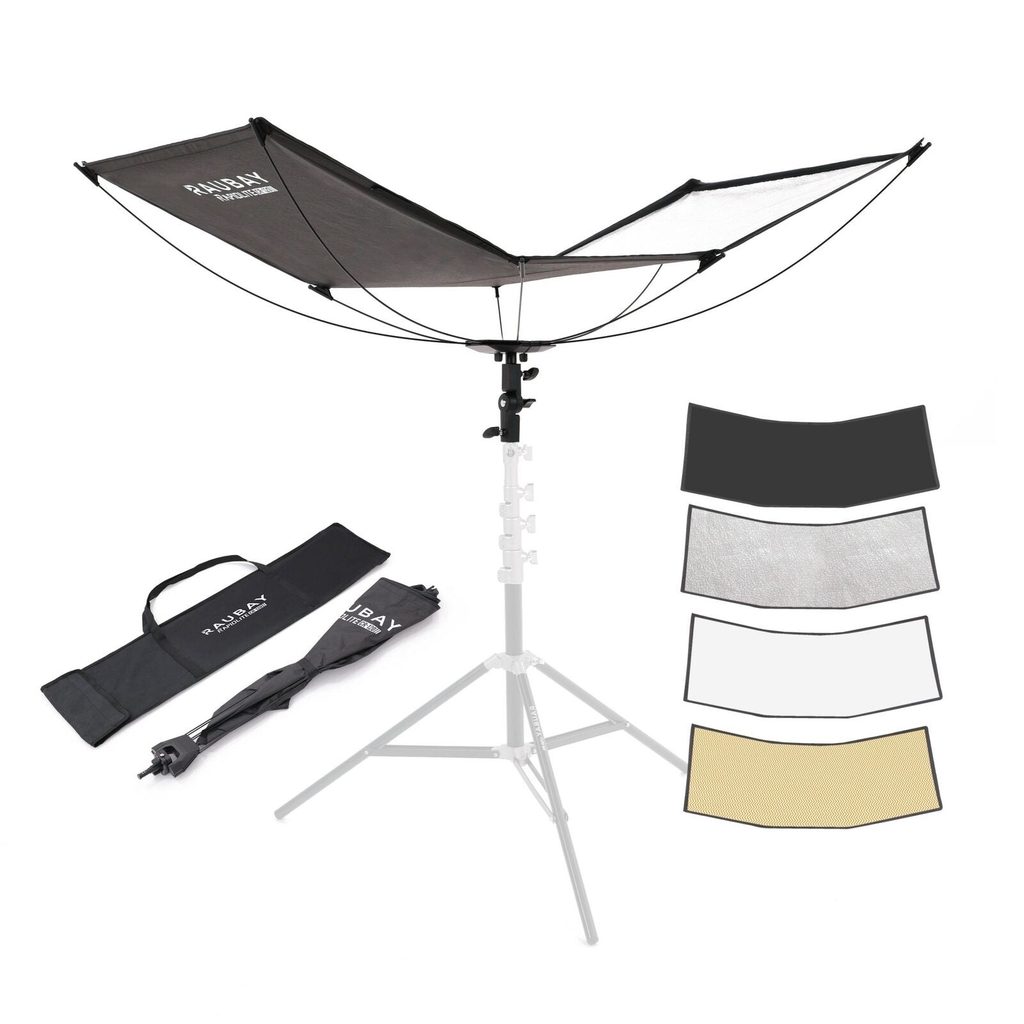
Photographers who share the same camera, the same strobe, and the same subject can still walk away with completely different images, and the reason usually lives in the modifier attached to the light. Modifiers control how light behaves once it leaves the head, and that behavior determines mood, texture, and the emotional temperature of every frame. The category splits, at its core, into two philosophies. One camp favors soft, wrapping illumination that flatters skin and hides imperfections. The other embraces hard, directional beams that carve out shadow and inject drama. Neither approach is universally right; each serves specific images better than the other. This article walks through both camps of light modifiers for photography, examines when contrast serves the picture better than gentleness, and closes with a small kit that covers most working genres without sprawling into gear excess.
The Soft Light Camp: Softboxes, Umbrellas, Diffusers
Soft light is the default look of commercial portraiture, beauty photography, and most wedding coverage. The reason is straightforward: soft sources produce gradual transitions between highlight and shadow, which is exactly what most viewers find pleasant on human faces. Achieving softness requires a large light source relative to the subject, and that is precisely what modifiers in this camp deliver.
Softboxes are the workhorses. A rectangular or octagonal frame holds diffusion fabric at a fixed distance from the strobe head, creating a controlled soft plane that mimics window light. Umbrellas, either shot-through or reflected, achieve similar softness with faster setup and lower cost, though they spill light more broadly. Diffusion panels sit between the light and the subject, softening any source that fires through them and giving the photographer flexibility to move the panel independently of the strobe. A curated selection of light modifiers for photography typically covers all three families because each solves a slightly different studio problem and combining them opens creative options that no single modifier can provide.
The Hard Light Camp: Reflectors, Grids, Snoots
Hard light gets a mixed reputation. It shows every skin pore, every fold in a garment, and every stray hair, which sounds like a defect until you consider fashion editorial, cinematic portraiture, or product photography where texture is the point. Hard sources produce crisp shadow edges, high contrast, and directional emphasis that soft light simply cannot replicate. The modifiers in this camp shape and constrain light rather than spread it.
Standard reflectors focus the strobe’s output into a defined beam, adding punch and preventing the light from wrapping around the subject. Grids attach in front of reflectors and further tighten the beam, letting you place a pool of light precisely on a face while keeping the surrounding scene in near-darkness. Snoots take the tightening even further, producing spotlight effects that isolate small areas. The disciplined use of these tools is what separates dramatic images from noisy ones. Every element the light does not touch matters as much as everything it does.
When Contrast Actually Serves the Image
Contrast is not aggression for its own sake. It is a compositional choice that serves specific storytelling goals. Product photographers use hard sidelight to reveal the grain of leather or the machined edges of a watch. Fashion shooters use it to sculpt cheekbones and jawlines when the brand identity demands intensity. Music portrait specialists rely on it to match the emotional weight of the genre they document. In each of these situations, soft light would blur the very qualities the image needs to communicate. Learning when to reach for a grid instead of a softbox is one of the fastest ways to move a portfolio from competent to distinctive.
Choosing Based on Genre, Not Trend
Social platforms cycle through lighting fashions constantly. Right now it might be moody hard light with deep shadows; a year from now it might be airy pastel softness. Choosing modifiers based on this month’s trend is a fast way to end up with a closet full of gear that no longer fits the images you want to make. The more durable question is what genre you actually shoot. Portrait photographers focused on families need soft, forgiving light most of the time. Editorial fashion photographers need both, with a slight bias toward directional shaping. Small-product photographers need control tools like grids and flags more than they need giant softboxes.
Answer the genre question first, then buy modifiers that solve the specific problems your work presents. Manufacturers such as Raubay group their modifier ranges by both category and application, which makes it easier to build out a kit deliberately rather than accumulating overlapping tools that duplicate each other’s function.
Building a Small Kit That Covers Both
A compact kit can handle a surprising range of assignments if the modifier choices are considered rather than accidental. Start with one medium octabox in the ninety-to-one-hundred-twenty-centimeter range for general soft light. Add a shoot-through umbrella for fast setup and travel. Include a standard reflector for punchy accent lighting and a grid to fit it. If your work touches product or food photography at all, add a strip box for narrow directional soft light along edges.
That five-piece kit covers portrait, editorial, product, and event lighting scenarios without redundancy. Beyond that, additions should respond to specific projects rather than a general urge to fill gear shelves. Buying deliberately keeps your studio nimble, your budget intact, and your creative decisions rooted in the image rather than in the accumulated inventory of tools you rarely reach for.
Choosing Light With Intention
The choice between soft and hard modifiers is really a choice about what you want the viewer to feel. Soft light comforts, flatters, and reassures. Hard light interrogates, defines, and dramatizes. Neither is a default; each is a decision. Photographers who understand that framing spend less on gear because they buy modifiers that answer specific creative questions rather than every possible question. The soft camp and the hard camp are not opposing teams to pick between; they are complementary vocabularies that expand together to give you a richer language for describing a scene with light. Build your kit around the images you actually make, learn each modifier deeply before adding the next, and let the finished photographs, not the shelf of gear, be the evidence that your choices were the right ones.