Busy cat owners know the ritual: coffee in one hand, scoop in the other, a daily negotiation with a box that is always one day overdue. Self cleaning litter boxes promise to end that routine, and the pitch is genuinely appealing. But automation in a litter box is not the same as automation in a dishwasher. These machines handle a messy, unpredictable material, and they work around an animal that may not cooperate. The question worth asking is not whether the technology sounds convenient, but whether it saves enough time and stress to justify the cost. The answer depends on your schedule, your cat, and what you expect the box to do. This article breaks down how these units work, where they fall short, and how to judge whether one belongs in your home.
What a Self Cleaning Box Actually Does
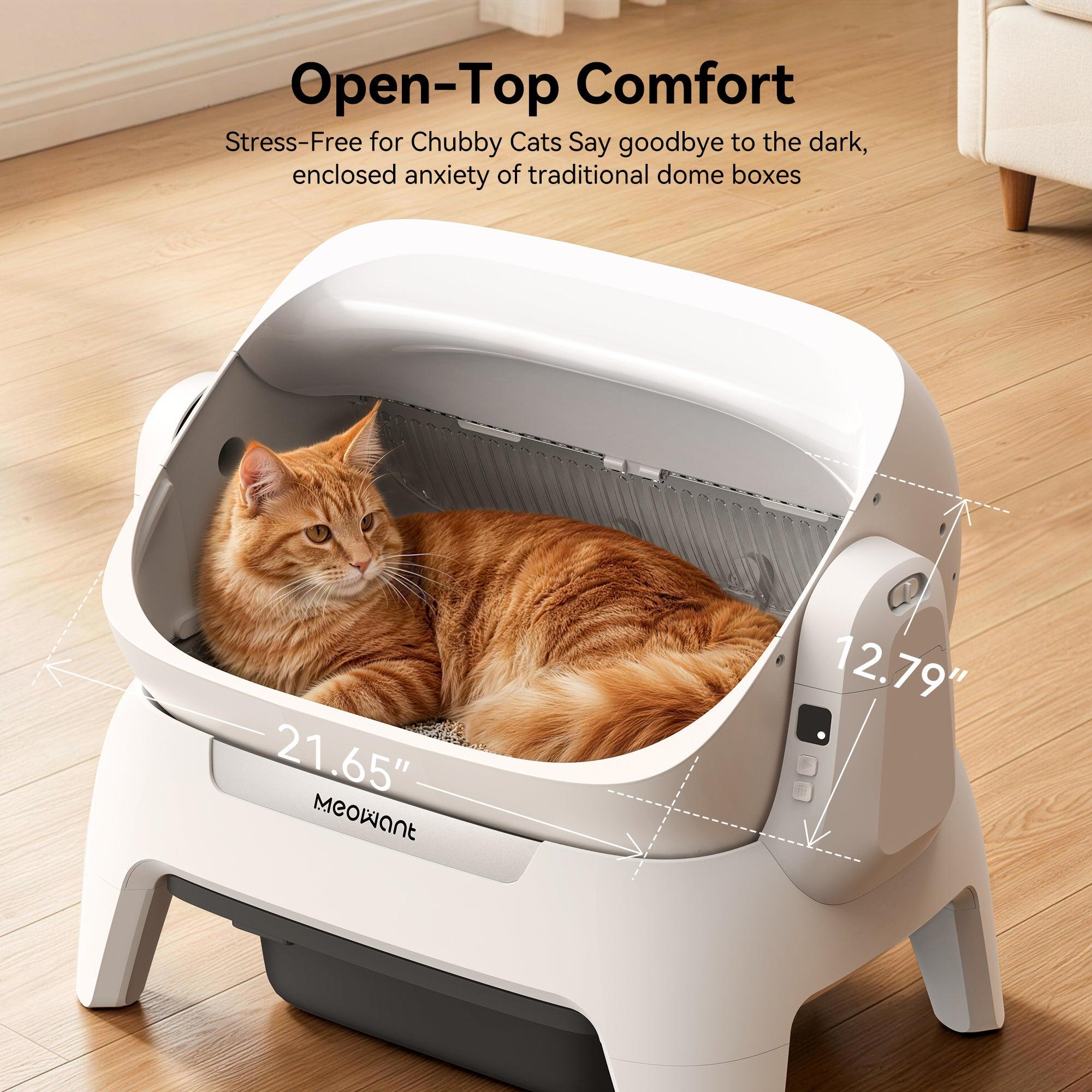
The core mechanism is simple. A sensor detects when your cat enters and leaves the box. After a short delay, a rake or rotating drum sifts clumped litter and deposits the waste into a sealed compartment. The remaining litter stays clean and level, ready for the next visit. That is the entire trick, repeated automatically many times a day. It is effective, but it is also mechanical, which means it has limits.
The best self cleaning litter box is best understood as a scooper that never forgets and never gets squeamish. It will not remove odor from the air, disinfect the tray, or refill the litter for you. What it does is eliminate the most frequent, least pleasant task, and it does so consistently, which matters more than it sounds. A box that is scooped after every use stays cleaner than one scooped once a day, and cats respond to that cleanliness. In multi-cat homes, the effect is amplified, because the box never sits dirty for long.
The Scooping Problem It Solves
The main benefit is frequency. A manual box might be scooped once in the morning and once at night, leaving hours of waste sitting in the open. An automatic unit clears the box within minutes of each visit, which reduces odor and keeps the litter surface inviting. For owners who work long shifts or travel, that reliability is the real selling point. It also reduces the chance that a fastidious cat will decide the box is too dirty and find a corner of the carpet instead.
What Still Needs a Human
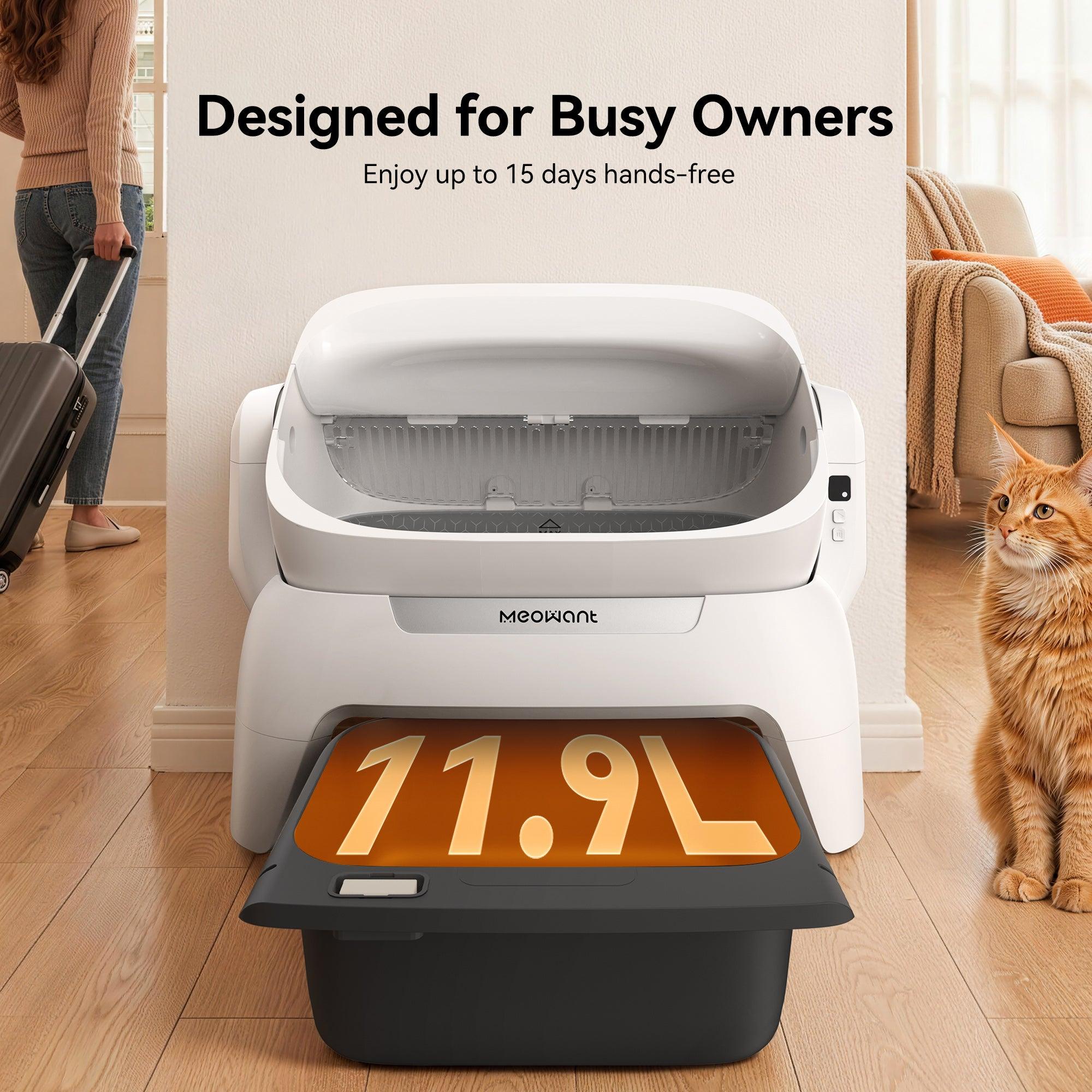
Waste still has to go somewhere. The sealed drawer needs emptying every few days to a week, depending on the number of cats. Litter levels need checking, sensors need occasional cleaning, and the tray itself needs a periodic wash. Power cords need to stay out of reach, and the unit needs enough clearance for the rake to move. None of these tasks are difficult, but they are not zero. Owners who expect a completely hands-off experience tend to be the ones who end up disappointed.
The Real Cost of Ownership
Price is only part of the picture. The more useful comparison is cost against the hours and friction the box removes from your week, and that comparison changes with household size.
Upfront Price Against Daily Minutes
A quality automatic box costs several times more than a basic plastic tray. Set against that, consider the time a manual box demands: roughly five to ten minutes a day for scooping, plus deep cleans. Over a year, that adds up to dozens of hours. If your time is scarce and your patience for the task is low, the math can favor automation. If you have one calm cat and a flexible schedule, a simple box may be all you need. The calculation is personal, and it should include how much the daily chore actually bothers you.
Consumables, Power, and Repairs
Automatic boxes use litter, electricity, and sometimes proprietary liners or filters. Some designs work best with specific litter types, which can narrow your choices. Repairs are another consideration: motors, sensors, and rakes are the parts most likely to fail, and service options vary by brand. Before buying, check the warranty, the availability of replacement parts, and how easy the unit is to disassemble for cleaning. A cheap machine that jams monthly is more expensive in frustration than a well-built one that simply works.
How to Judge One Before You Buy
Specifications on a product page rarely tell you how a box behaves in a real home. These are the details that separate a reliable unit from a frustrating one.
Sensor Reliability and Safety
The sensor is the heart of the system. It should detect a cat reliably, including small kittens and large adults, and it should pause if the cat re-enters mid-cycle. Safety features matter more than convenience features: a unit that stops when it meets resistance, and that never runs while a cat is inside, is non-negotiable. Look for reviews that mention false triggers and jam recovery. A machine that needs a manual reset every week is not saving you time. Weight sensors and infrared beams are both common; the quality of the implementation matters more than the type.
Litter Compatibility and Waste Handling
Litter compatibility is the second filter. Fine clumping litter usually sifts well, while lightweight or crystal litters can behave unpredictably. The waste drawer should seal well enough to contain odor and be simple to remove without spilling. Check the capacity against your cat count, since a small drawer in a busy home fills faster than expected. Finally, consider the footprint and the noise level. A box that is too loud may scare a shy cat, and one that is too large may not fit where your cat actually likes to go.
Which Problems Automation Cannot Solve
It is just as important to know what a self cleaning box will not fix. If your cat is avoiding the box because it sits next to a noisy washing machine, or because another cat guards the hallway, automation will not change that. If a cat has developed a medical issue that causes frequent urination or straining, the box will not diagnose it, and the automatic cycle may even hide the evidence by clearing it before you notice. If the problem is litter texture, box size, or location, an expensive machine simply automates the wrong setup. Automatic boxes are best at solving one specific problem, which is a dirty box between scoopings. Treat every other issue as something to investigate and fix on its own terms.
Getting Your Cat to Use It
Cats are conservative about bathroom habits, and a machine that moves can be unsettling at first. The transition is easier if you introduce the new box while keeping the old one available. Place the automatic box beside the old one, run it through a cycle while your cat is nearby but not inside, and let curiosity do the work. Keep the same litter and add a familiar scoop of used litter to the new tray. Do not force your cat into the box or hold her near it while it cycles. Most cats adapt within a week or two, but some need longer, and a few never accept the motion. If your cat avoids the box for several days, pause automation and go back to manual scooping for a while.
The Honest Verdict
A self cleaning litter box is not a luxury for everyone, and it is not a gimmick either. It is a tool that removes a specific, recurring chore and does it with more consistency than most people can manage. It works best for busy owners, multi-cat homes, and anyone whose cat is fussy about cleanliness. It works least well for cats who fear mechanical movement, households on a tight budget, and owners who expect zero maintenance. Judge it on the task it actually performs, budget for the upkeep, and give your cat a gradual introduction. Done that way, the convenience is real rather than advertised.