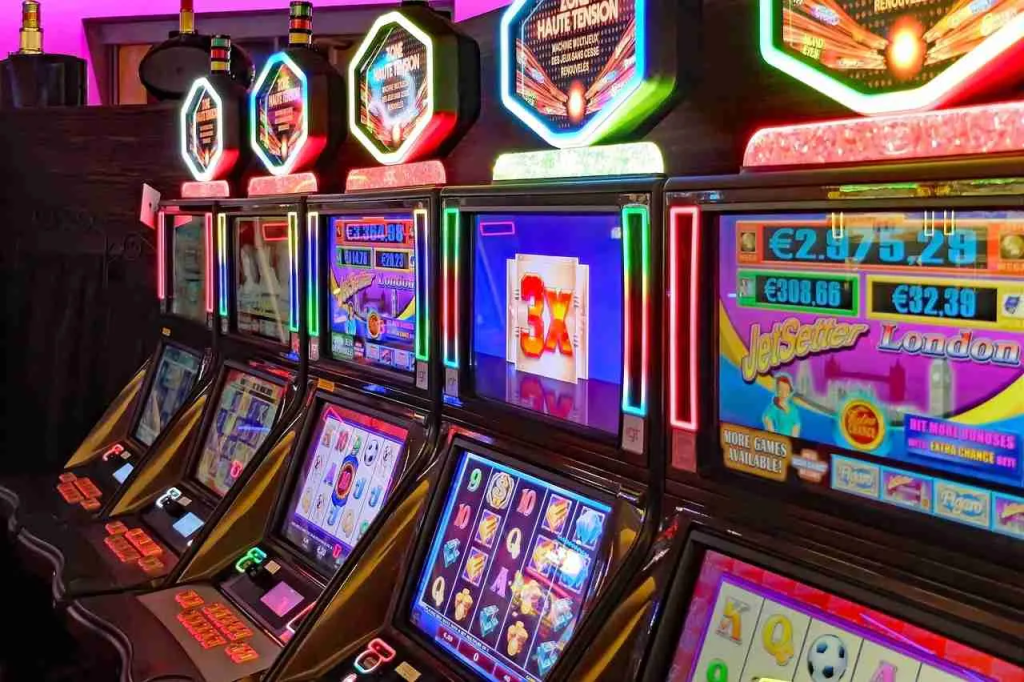
The Addictive Psychology of Slot Machine Design
slotmantap machines are intentionally engineered to exploit fundamental psychological and neurological processes. Their addictive nature is no accident—it’s the result of decades of sophisticated design research. Here’s a deep dive into the key psychological mechanisms:
Variable Ratio Reinforcement Schedule
- This is the most powerful reinforcement schedule identified by B.F. Skinner’s operant conditioning research
- Rewards are delivered unpredictably after an unpredictable number of responses
- Creates persistent, compulsive behavior that’s highly resistant to extinction
- Unlike predictable rewards, the uncertainty keeps players engaged longer
Losses Disguised as Wins (LDWs)
- Machines celebrate with lights, sounds, and animations even when you win back less than your original bet
- This creates a false sense of winning, triggering dopamine release
- Neurologically, LDWs are processed similarly to actual wins, reinforcing continued play
The “Near-Miss” Effect
- When symbols almost line up for a jackpot (e.g., two jackpot symbols with the third just above/below)
- Brain scans show near-misses activate similar reward pathways as actual wins
- Creates the illusion of “almost winning” and encourages continued play
Sensory Overload & Immersion
- Lights: Flashing, pulsating patterns that capture attention
- Sounds: Celebratory jingles, coin-drop sounds (even when using digital credits), and upbeat music
- Tactile feedback: The satisfying physical lever pull or button press
- This multisensory stimulation creates an immersive, trance-like state
Cognitive Distortions & Illusions of Control
- “Gambler’s Fallacy”: Belief that past losses increase future win probability
- “Illusion of Control”: Features like “stop” buttons or skill-based bonus rounds create false agency
- “Availability Heuristic”: Vivid memories of wins overshadow more frequent losses
The Sunk Cost Fallacy
- Players invest more after losses to “chase” their money back
- Machines facilitate this with easy credit systems and bill acceptors
- Digital credits (instead of cash) further distance players from real money loss
Game Mathematics & “Time on Device”
- Return-to-Player (RTP): Typically 85-98%, giving just enough wins to maintain engagement
- Volatility: Games balance frequent small wins with rare large jackpots
- “Grinding”: Extended play sessions with small, frequent reinforcement
Modern Technological Enhancements
- Player cards & data tracking: Casinos personalize offers based on play patterns
- Themed machines: Licensed content (movies, TV) creates emotional connection
- “Multi-line” machines: Allow hundreds of bets per spin, increasing engagement complexity
Neurological Impact
- Dopamine release during anticipation and reward
- Similar brain activation patterns to substance addictions
- The “zone” or “flow state” where time perception distorts
Structural Characteristics
- Autoplay features: Enable continuous play without decision-making
- Fast play speeds: Modern machines allow up to 10 spins per minute
- Accessibility: Easy to play with minimal skill required
Ethical Implications & Harm Reduction
Recognizing these design elements is crucial for:
- Informed consent: Many players don’t understand the engineered nature of slot thailand
- Regulatory policies: Some jurisdictions now mandate “responsible gaming” features like time/money limits
- Public awareness: Understanding these mechanisms can help individuals make more informed choices
The combination of these psychological principles creates what researchers call the “machine zone”—a dissociative state where players become absorbed in the sensory feedback loop, often losing track of time and money. This intentional design makes slot machines one of the most potent and potentially harmful forms of gambling, with higher addiction rates than table games.