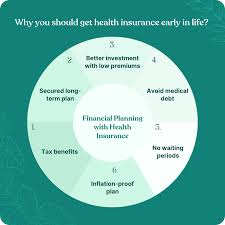
Health and financial stability are closely connected in today’s world. As healthcare costs continue to rise and lifestyles become increasingly demanding, many individuals are recognizing the value of preparing for unexpected medical situations. Health insurance has become an important component of long-term financial planning because it helps people build financial resilience while supporting future healthcare needs.
Medical emergencies and healthcare expenses can arise unexpectedly. Without proper preparation, these situations may create financial challenges that affect savings, personal goals, and long-term financial security. Developing a healthcare strategy allows individuals and families to prepare more effectively while strengthening overall financial confidence.
Healthcare planning is no longer viewed only as a precautionary measure. It is increasingly considered part of responsible financial management.
Understanding Health Insurance
Health insurance is designed to support individuals in managing healthcare-related expenses. Medical situations such as illness, hospitalization, treatment procedures, or ongoing care requirements may create financial pressure if proper planning is not in place.
Healthcare preparation encourages financial readiness and allows individuals to focus more on recovery and well-being rather than unexpected costs.
Healthcare-related expenses may involve:
- Hospital admissions
- Medical consultations
- Diagnostic testing
- Specialized treatments
- Long-term healthcare support
Planning for healthcare needs contributes to stronger financial preparedness and improved peace of mind.
Why Healthcare Preparation Matters More Than Ever
Healthcare systems continue evolving with advances in medical technology and treatment options. While these developments improve healthcare quality, they may also contribute to increasing medical expenses.
Several factors explain why healthcare preparation has become increasingly important.
Rising Medical Costs
Healthcare inflation continues affecting medical service expenses in many parts of the world.
Preparing early helps individuals strengthen financial resilience against future healthcare costs.
Long-term planning supports better financial stability.
Changing Lifestyle Factors
Modern lifestyles often introduce challenges that may affect personal well-being.
Examples include:
- Increased workplace stress
- Reduced physical activity
- Irregular sleep patterns
- Changing dietary habits
- Demanding daily schedules
These factors highlight the importance of proactive healthcare preparation.
Greater Financial Awareness
People are becoming increasingly aware that healthcare planning supports broader financial goals.
Healthcare readiness often complements:
- Savings strategies
- Wealth-building objectives
- Retirement preparation
- Family financial planning
Comprehensive financial planning usually includes healthcare considerations.
Benefits of Healthcare Planning
Healthcare preparation offers multiple advantages beyond financial support.
Improved Financial Confidence
Unexpected healthcare expenses can create uncertainty.
Healthcare planning helps individuals prepare more effectively for future medical situations while strengthening overall financial readiness.
Better Access to Healthcare Services
Financial preparation often encourages individuals to seek medical support when needed.
Early healthcare attention may contribute to improved long-term outcomes.
Supports Long-Term Financial Stability
Healthcare expenses may influence personal financial goals.
Planning ahead supports stronger financial resilience and long-term financial organization.
Reduced Financial Pressure
Financial uncertainty during medical situations can increase stress.
Healthcare readiness provides reassurance and contributes to greater peace of mind.
Important Considerations When Exploring Healthcare Protection
Healthcare planning varies depending on personal priorities and financial circumstances.
Several factors may influence healthcare preparation decisions.
Coverage Flexibility
Healthcare support options may differ depending on available benefits and long-term needs.
People often evaluate:
- Healthcare accessibility
- Treatment support options
- Long-term healthcare considerations
- Medical service availability
Understanding available options strengthens planning quality.
Financial Compatibility
Healthcare preparation should align with broader financial priorities.
Balancing financial objectives supports stronger long-term planning.
Future Healthcare Needs
Healthcare priorities may change over time.
Life stages such as career development, family responsibilities, and retirement preparation often influence long-term healthcare planning.
Flexibility remains important.
Service Quality and Reliability
Research and financial awareness support informed decision-making.
Reliable healthcare preparation involves evaluating available resources carefully.
Individuals exploring healthcare preparation strategies may benefit from understanding available health insurance options as part of broader financial planning efforts.
Healthcare Trends Influencing Financial Planning
Healthcare awareness continues evolving alongside social and technological changes.
Several trends are shaping modern healthcare preparation.
Preventive Healthcare Awareness
More individuals are focusing on prevention and long-term wellness strategies.
Preventive healthcare initiatives may include:
- Routine health assessments
- Lifestyle improvements
- Wellness planning
- Early healthcare intervention
Preventive approaches continue gaining attention globally.
Digital Healthcare Development
Technology continues improving healthcare accessibility and convenience.
Digital healthcare tools increasingly support:
- Virtual healthcare services
- Health information management
- Wellness monitoring
- Healthcare communication systems
Innovation continues strengthening healthcare experiences.
Greater Financial Education
Financial education encourages individuals to think proactively about long-term planning.
Healthcare preparation increasingly forms part of financial awareness discussions.
Knowledge supports stronger financial decision-making.
Building Long-Term Financial Confidence
Healthcare planning contributes to long-term financial stability by improving readiness for unexpected situations.
Strong financial preparation supports:
- Greater financial resilience
- Improved confidence
- Better long-term organization
- Stronger financial security
Planning proactively allows individuals and families to build stronger financial foundations for the future.
Frequently Asked Questions
1. Why is healthcare preparation important for financial planning?
Healthcare planning helps strengthen financial readiness for future healthcare-related expenses.
2. Can healthcare preparation support long-term financial goals?
Yes. Healthcare readiness contributes to financial resilience and supports broader financial objectives.
3. When should healthcare planning begin?
Healthcare preparation can provide value at different life stages and often supports long-term financial stability.
Conclusion
Healthcare preparation has become increasingly important in today’s changing financial environment. Rising healthcare expenses and evolving medical needs highlight the importance of proactive planning. Health insurance strengthens financial confidence, supports long-term preparedness, and contributes to greater financial stability. Building healthcare readiness today can help create a more secure and financially resilient future tomorrow.