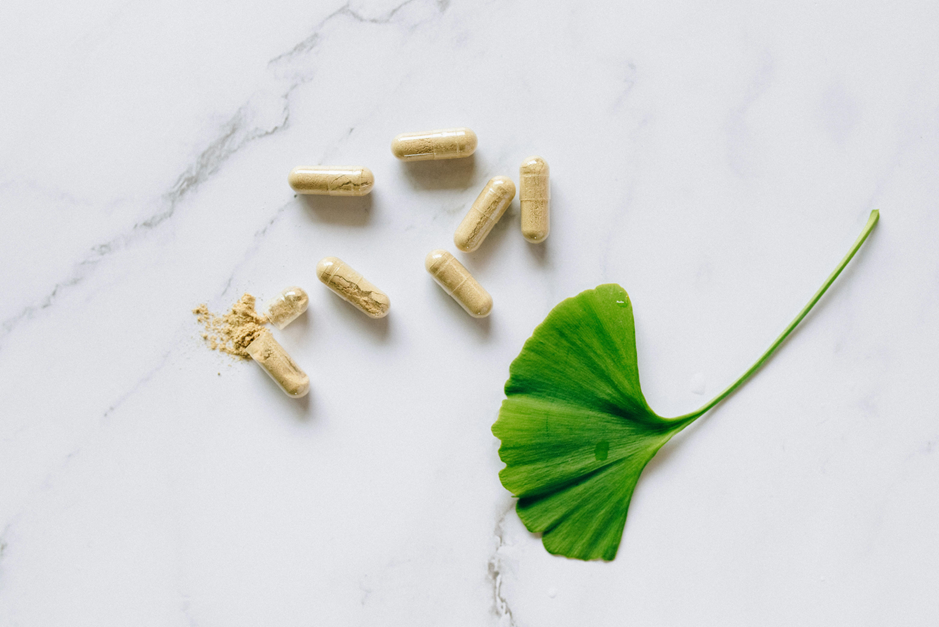
Understanding How Supplements Support Histamine Balance
Histamine intolerance often stems from the body’s reduced ability to break down histamine efficiently. This can occur due to low activity of diamine oxidase, the primary enzyme responsible for histamine breakdown in the gut, or from overall immune system imbalance. Certain nutrients are involved in enzyme production, inflammation control, and gut health, which is why supplementation can be helpful when dietary intake alone is not enough.
Natural supplements are not intended to replace medical care or eliminate histamine exposure entirely. Instead, they are typically used to support normal biochemical pathways that help the body manage histamine more effectively over time.
DAO Enzyme Supplements for Digestive Support
One of the most commonly recommended options is diamine oxidase enzyme supplementation. DAO is naturally produced in the intestinal lining and is responsible for breaking down histamine from food before it enters the bloodstream. When DAO activity is low, histamine can accumulate and trigger symptoms shortly after eating.
A histamine supplement that contains DAO is usually taken before meals, particularly those that may be higher in histamine. These supplements do not block histamine release within the body, but they may help reduce the amount absorbed from food. Many people find them useful during social events, travel, or periods when strict dietary control is difficult.
It is important to note that DAO supplements work locally in the gut and are not a standalone solution. Their effectiveness can vary depending on gut health, consistency of use, and overall dietary patterns.
Vitamin C and Its Role in Histamine Regulation
Vitamin C is widely recognized for its immune supporting properties, but it also plays a role in histamine metabolism. Research suggests that adequate vitamin C levels may help reduce circulating histamine by supporting enzymatic degradation and limiting excess release from immune cells.
For individuals with histamine sensitivity, vitamin C supplementation may offer dual benefits by supporting immune balance while also assisting histamine clearance. Buffered or non acidic forms are often preferred, as highly acidic versions can irritate sensitive digestive systems. Regular intake, rather than high single doses, is typically better tolerated and more effective for long term support.
Quercetin and Other Natural Mast Cell Stabilizers
Quercetin is a naturally occurring flavonoid found in fruits and vegetables such as apples and onions. It is frequently used in supplement form because of its antioxidant and anti inflammatory properties. One of its key benefits for histamine intolerance is its ability to help stabilize mast cells, which are responsible for releasing histamine during immune responses.
By supporting mast cell stability, quercetin may help reduce the amount of histamine released in response to triggers. It is often combined with bromelain or vitamin C to improve absorption and effectiveness. When taken consistently, many people report fewer flare ups and improved tolerance to environmental or dietary stressors.
Other plant based compounds, including luteolin and rutin, may offer similar benefits, although their effects can differ between individuals.
B Vitamins and Gut Health Support
Certain B vitamins, particularly vitamin B6, play a role in enzymatic processes related to histamine breakdown. Inadequate levels may impair these pathways and contribute to increased sensitivity. Supplementing with a balanced B complex can help address subtle deficiencies that may not be obvious through symptoms alone.
Additionally, gut health focused supplements such as probiotics require careful consideration. While some probiotic strains can produce histamine, others are considered more suitable for sensitive individuals. Selecting histamine friendly strains and introducing them gradually can support digestion and intestinal integrity without worsening symptoms.
Addressing gut inflammation and nutrient absorption is often a long term strategy, as improved gut health may support natural enzyme production over time.
Conclusion
Managing histamine intolerance usually requires a personalized approach that combines dietary awareness, lifestyle adjustments, and targeted supplementation. Natural supplements can provide meaningful support by enhancing enzyme activity, calming immune responses, and correcting nutrient imbalances. When chosen carefully and used consistently, they may help reduce symptom frequency and improve overall quality of life. As with any health strategy, ongoing evaluation and professional guidance are important to ensure safe and effective use.