A barrel chair looks like an easy win. The curved back hugs the sitter, the silhouette fills an awkward corner, and the shape works in almost any style of room. That is exactly why so many shoppers rush the decision and end up with a piece that feels wrong the moment it arrives. The chair itself is rarely the problem. The problem is how it was chosen, where it was placed, and what was overlooked in the process. Scale gets ignored, fabrics fight the sofa, swivel bases squeak, and suddenly a beautiful accent seat becomes the thing everyone tiptoes around. This guide walks through the pitfalls that quietly sabotage a barrel chair purchase, so you can catch the mistakes before your card is charged, before the delivery truck arrives, and before the piece becomes a regret parked in the corner of your living room.
Underestimating the Space a Barrel Silhouette Actually Eats
The curved profile is deceptive. On a showroom floor or in a product photo it looks compact, almost tucked in on itself. In a real living room, the rounded back pushes outward at the shoulders, and the wrap of the arms extends the visual footprint well beyond the seat cushion. Shoppers routinely measure the seat depth, forget the arm sweep, and end up blocking a walkway or crowding a coffee table. Before committing, tape out the full outer diameter on your floor, including any swivel clearance if the base rotates. If you cannot walk around the taped shape without turning sideways, the chair is too large for the room, regardless of how flattering the fabric looked online.

Scale mistakes compound when the chair is paired with the wrong companion pieces. A deep, low-slung sectional next to a tall, upright barrel chair creates a visual seesaw that never settles. A slim mid-century sofa next to an oversized barrel silhouette can make the sofa look starved. When shopping, note the seat height and overall height, then compare them directly to the sofa or loveseat the chair will sit beside. A well-chosen barrel chair should read as a partner to the sofa, not a rival, and the seat heights should land within roughly an inch of each other so conversation flows naturally across the room.
Choosing Fabric Before Thinking About Real Life
Boucle, velvet, performance weave, top-grain leather, textured linen. The choices are seductive and the swatches are tiny. Buyers fall for the swatch, not the surface. A pale boucle is heavenly for a photograph and brutal for a household with a shedding dog, a toddler with a sippy cup, or a partner who eats popcorn on the couch. Velvet flattens where bodies sit most often, and directional nap can look blotchy under natural light if the pile is not maintained. Leather softens beautifully but shows every scratch from a curious cat. The fabric question is really a lifestyle question, and shoppers who skip that step end up covering their beautiful accent chair with a throw within a month.
Performance fabrics have closed much of the gap, and there is no shame in choosing durability over drama. A tightly woven performance blend in a mid-tone neutral hides more sins than a designer swatch card will ever admit. If you truly want a delicate texture, put the chair in a formal sitting area rather than the main lounging zone, and be honest about how often it will actually be used. A chair that gets sat on twice a year can wear almost any fabric. A chair that anchors movie night cannot.
Ignoring the Base, the Swivel, and the Sound It Makes
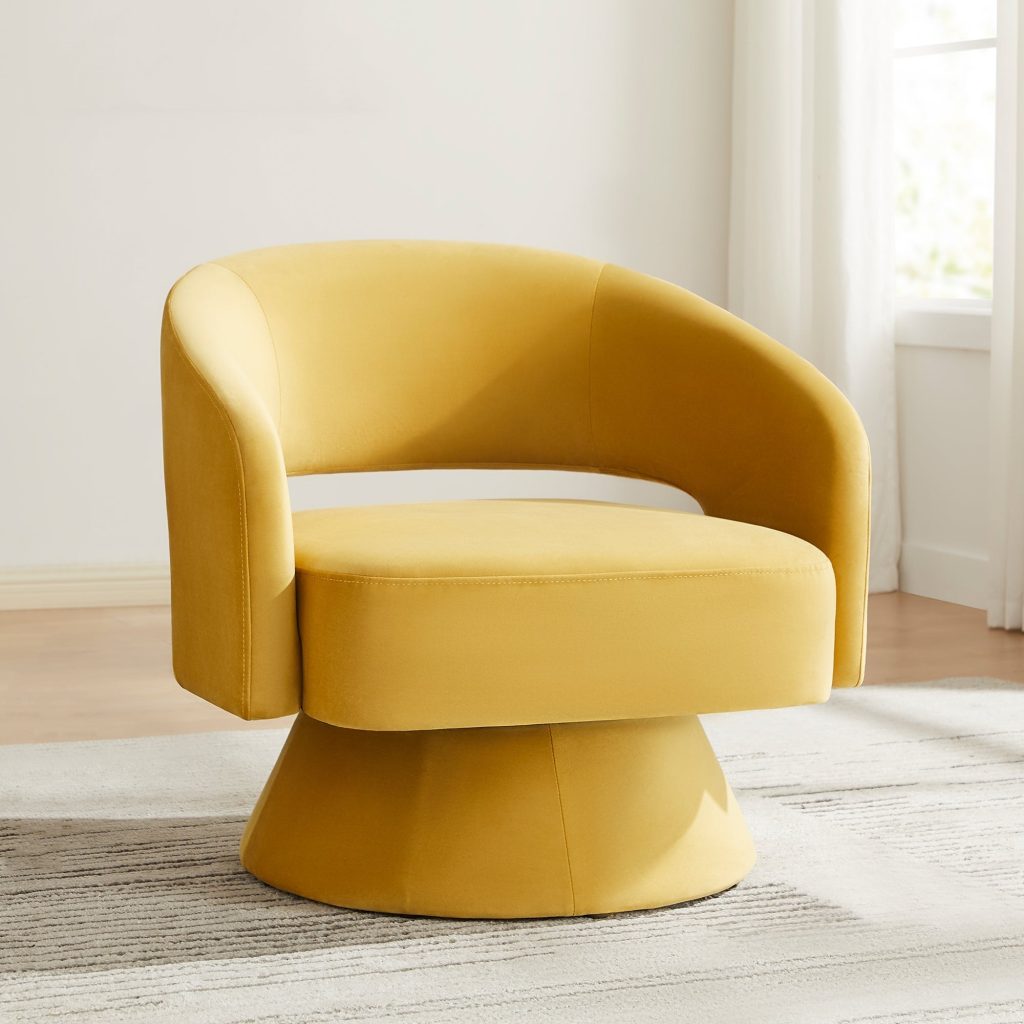
Barrel chairs come with three common base configurations, and each has a personality. A fixed wood or metal base sits still and looks architectural. A swivel base offers flexibility for open-plan rooms where the chair may need to face a fireplace one moment and a dining table the next. A glider or rocker base adds motion for reading or nursing. The mistake is treating these bases as interchangeable. A swivel base in a tight corner is wasted because it never gets turned. A fixed base in a great room forces guests to sit in awkward profile to whoever is talking. Match the base to how the chair will actually be used, not to what looked interesting in the listing.
Then there is the sound issue no one talks about. Cheap swivel mechanisms squeak within a few months, and low-quality glider bearings develop a rhythmic clunk that becomes impossible to ignore in a quiet room. Read reviews specifically for words like squeak, wobble, clunk, and creak. Ask about the mechanism material, the weight rating, and whether replacement parts are available. A chair is not a disposable item, and a base that fails after the first year turns an accent piece into a liability. Brands that stand behind their construction, including established makers like CHITA LIVING, tend to publish more detail about their frames and mechanisms, which is a signal worth watching for.
Placing the Chair Where the Light Is Wrong
A barrel silhouette photographs well because its curve catches light beautifully. That same curve can look heavy and shadowed when placed against a poorly lit wall. Buyers often plan the chair around a physical corner without thinking about where the light falls at the times they actually use the room. A stunning velvet barrel chair positioned in a dim corner will read as a dark blob at night, which is precisely when you want it to feel inviting. Try to place the chair where at least one lamp or window pushes light across the curve, revealing the texture rather than flattening it into a shadow.
Skipping the Seat Comfort Test
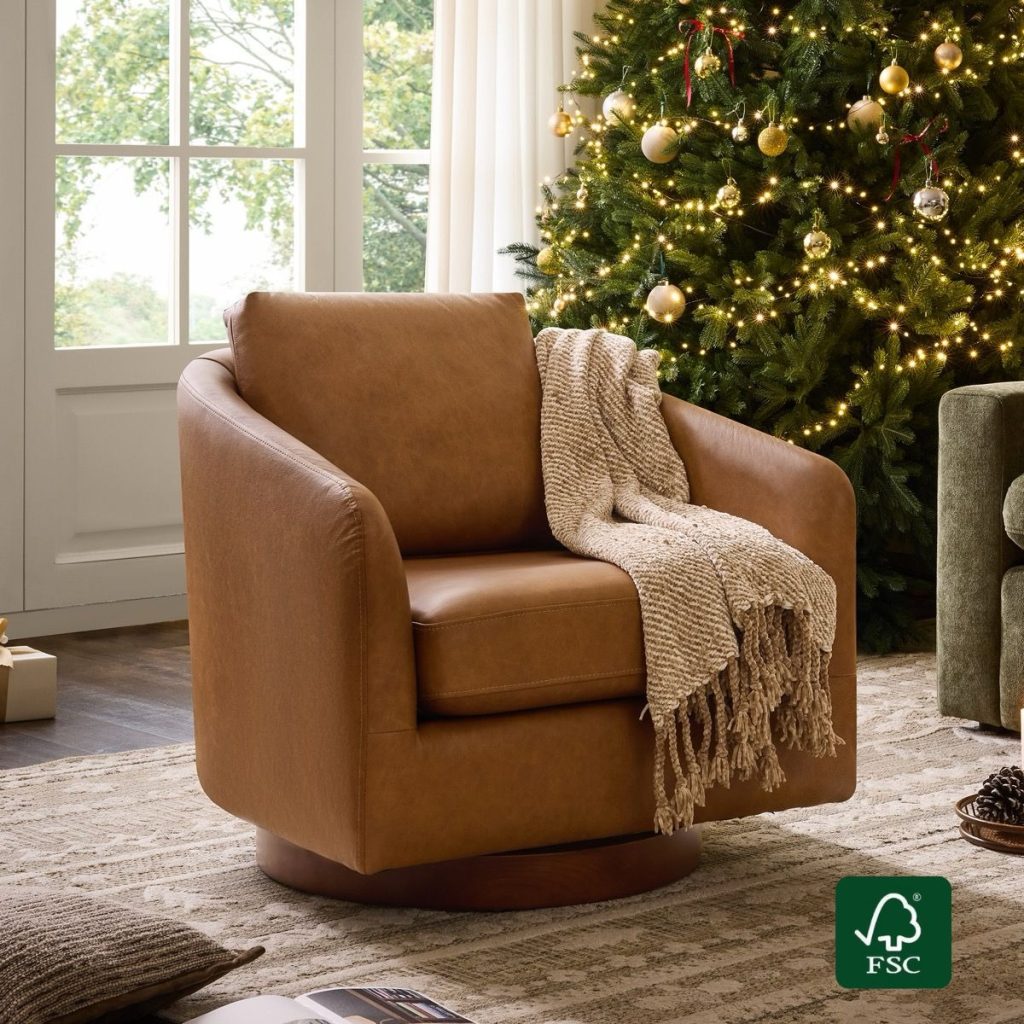
The final and most painful pitfall is trusting a photograph to tell you whether a chair is comfortable. Barrel chairs vary wildly in seat depth, cushion firmness, and lumbar support. A shallow, firm seat looks tidy but forces taller sitters into a slouch. A deep, plush seat swallows shorter sitters and pushes their feet off the floor. Before buying, gather the specs that matter: seat depth, seat height, interior width between arms, and cushion fill. If you cannot try the chair in person, look for detailed dimension diagrams, and compare them to a chair you already love. If the numbers are close, you will probably like the new chair. If they are far apart, be ready to return it, and confirm the return policy before you order.
Choose the Curve, Skip the Regret
A barrel chair earns its place in a room when it is chosen with the same care given to a sofa, not treated as a quick accent decision. The pitfalls are almost never about taste. They are about overlooked measurements, mismatched fabrics, mechanisms that go unchecked, lighting that flatters or fails the silhouette, and comfort assumptions that never got tested. Sidestep those traps and the shape rewards you. Rush past them and the same chair becomes the piece no one wants to sit in. Take the extra hour before purchase, and you will spend the next several years enjoying a chair that fits the room, fits the people in it, and holds up to real life instead of just a listing photo.