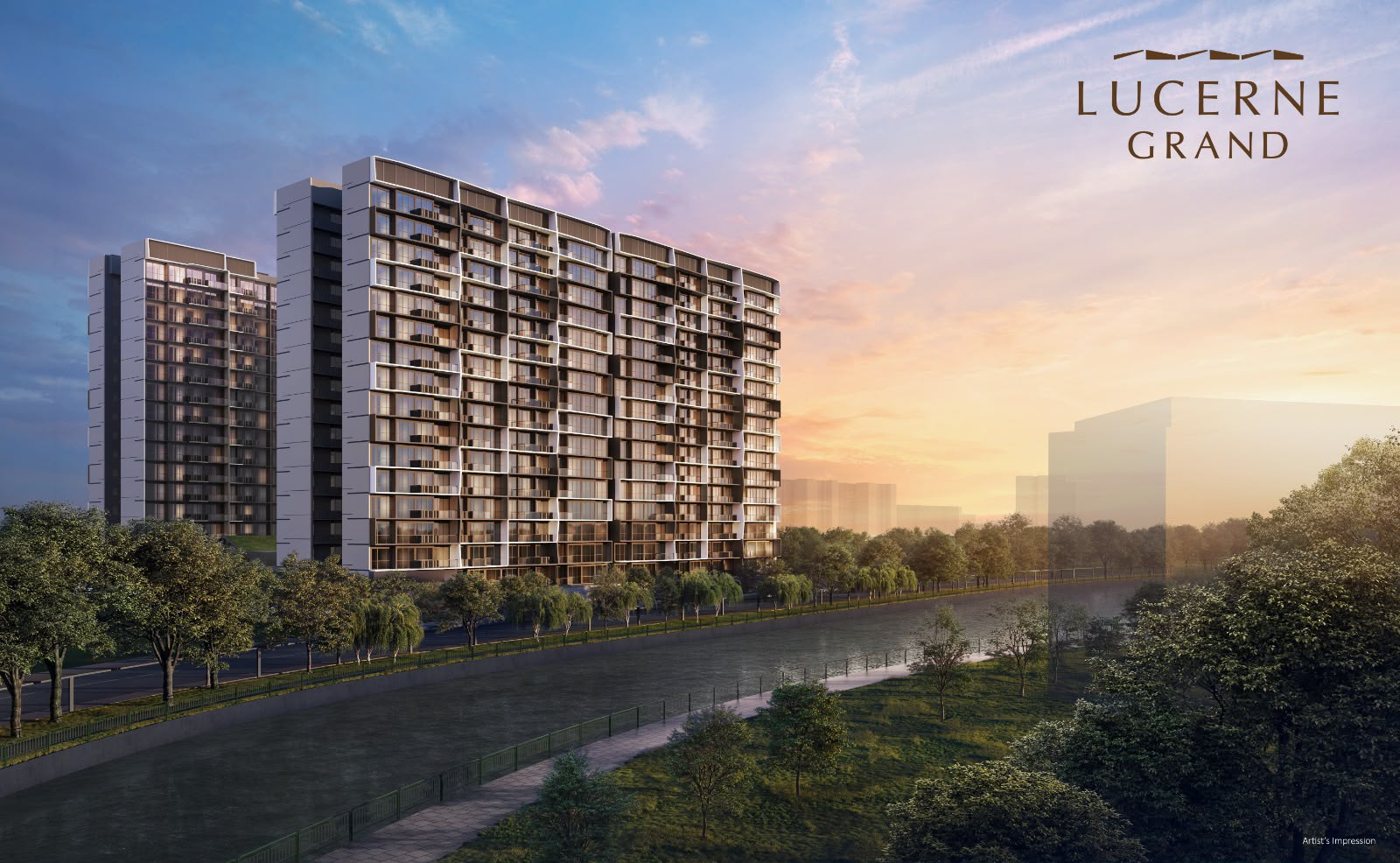
Buying a premium home requires careful research, financial planning, and a deep understanding of local market dynamics. If you want to secure a high-end residence, the upscale properties at Lucerne Grand offer some of the most promising residential opportunities available today. This development, alongside the equally prestigious Thomson Reserve, represents the pinnacle of modern urban living. Securing a unit in these sought-after developments demands a strategic approach to ensure you get the best value for your investment. From analyzing localized pricing trends to understanding the unique layout structures, buyers must prepare thoroughly before signing any contract. This guide provides actionable advice to help you make an informed purchasing decision in these premier neighborhoods.
Evaluating Property Values and Market Trends
Before committing your capital, you must analyze the historical sales data and current pricing trajectories of the local market. Properties in Lucerne Grand have shown steady appreciation over the past three years, driven by high demand for luxury finishes and robust construction quality. Similarly, units in Thomson Reserve maintain strong resale values due to their limited availability and prime geographic positioning.
To assess whether a listing price is fair, compare recent transaction records of similar-sized units within the same square footage bracket. Look at the price per square foot rather than just the overall asking price, as this metric offers a more accurate comparison. Additionally, pay attention to the absorption rate in these developments. When fewer units are available on the market, sellers hold more negotiating power, which often leads to premium pricing. Conversely, a temporary influx of listings might give you room to negotiate better terms or secure complimentary upgrades.
Working with a specialized real estate agent who has direct experience in these specific buildings can give you access to off-market listings. These agents often know about upcoming sales before they hit public portals, giving you a distinct competitive advantage in a tight market.
Assessing Location Benefits and Neighborhood Infrastructure
The value of a premium property depends heavily on its surrounding environment and accessibility. Both developments boast excellent connectivity, but they cater to slightly different lifestyle preferences. Buyers should evaluate how daily commutes, proximity to reputable schools, and retail access align with their personal routines.
Transportation and Accessibility
High-speed transit links and major highway access points are crucial for maintaining long-term property values. Residents benefit from quick access to major business districts, reducing travel times significantly during peak hours. Evaluate the walking distance to the nearest subway or bus station, as proximity to public transit remains a primary driver for property appreciation.
Community Amenities and Green Spaces
Beyond transportation, look at the quality of local parks, medical facilities, and shopping centers. A neighborhood that offers a balanced mix of urban convenience and green spaces tends to attract stable, long-term residents. Walk around the perimeter of the properties at different times of the day to gauge noise levels, traffic congestion, and overall neighborhood safety. Observing the area during both weekday rush hours and weekend afternoons provides a realistic picture of what your daily life will look like in these vibrant communities.
Analyzing Floor Plans and Development Quality
When purchasing a luxury residence, the internal layout and construction standards are just as critical as the external location. High-end developments like Lucerne Grand are known for their architectural integrity and premium interior finishes. However, individual units can vary significantly in terms of natural light exposure, view obstructions, and spatial efficiency.
Optimizing Layout and Natural Light
Examine the floor plans carefully to ensure there is minimal wasted space in hallways and entryways. Corner units generally offer better ventilation and multi-directional views, though they may carry a higher price tag. Pay attention to the orientation of the windows; north-facing units might receive consistent, indirect light, while south-facing units offer maximum sunlight throughout the day.
Inspecting Material Quality and Finishes
Do not rely solely on show-flat models or digital brochures. Request a detailed list of the materials used for flooring, cabinetry, and kitchen appliances. Premium developments should feature durable materials like natural stone, hardwood, and high-efficiency double-glazed windows that minimize external noise. Understanding the developer’s track record for completing projects on time and maintaining high quality standards will give you peace of mind before making a financial commitment.
Financing Strategies and Long-Term Investment Potential
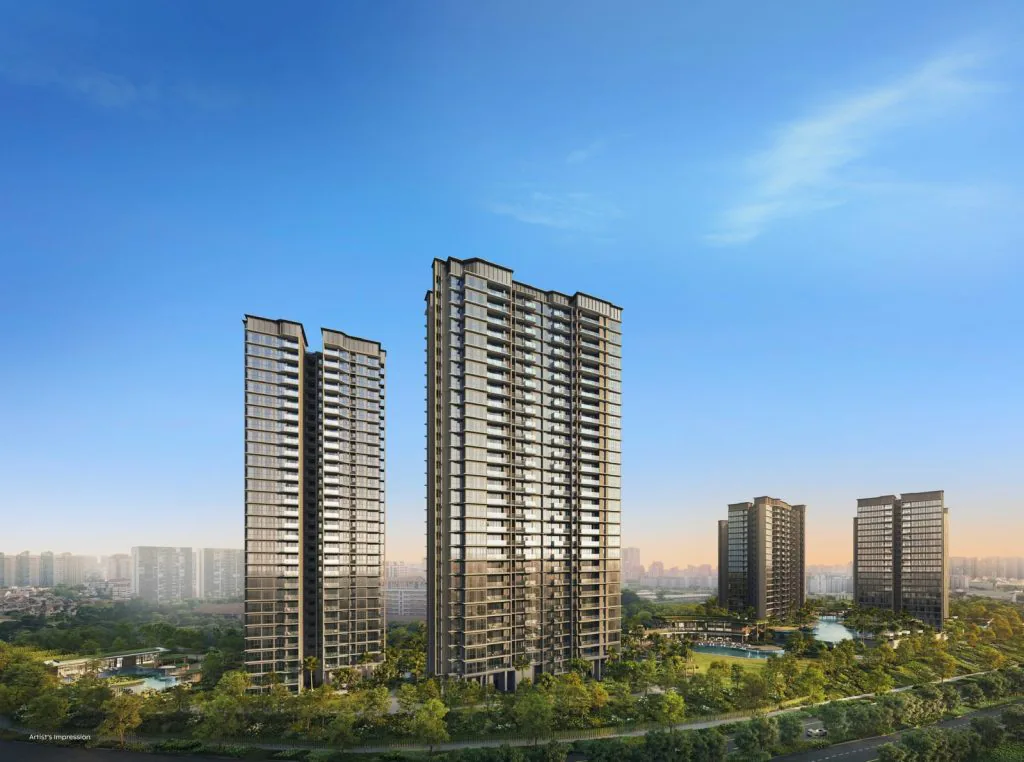
Securing the right financing structure is essential when buying high-value real estate. Because properties in Thomson Reserve represent a significant capital allocation, buyers must optimize their mortgage terms to protect their cash flow. Compare lending rates from multiple financial institutions and consider pre-approval to strengthen your buying position.
Understanding Rental Yields
If you plan to rent out the property, calculate the net rental yield rather than just the gross yield. Subtract maintenance fees, property taxes, and insurance costs from the projected annual rental income. The high demand for housing in these districts ensures a steady stream of corporate tenants, which helps maintain low vacancy rates and stable rental returns year-round.
Evaluating Future Development Plans
Research the local municipality’s master plan for the surrounding area. Upcoming infrastructure projects, such as new transit lines, commercial hubs, or public parks, can significantly boost property values over the next decade. Investing in an area with active government development plans ensures that your property remains highly liquid and attractive to future buyers if you choose to sell later. Always align your purchase with a five-to-ten-year investment horizon to maximize capital gains.
Conclusion
Purchasing a home in a premium development is a significant milestone that requires a balance of market research, financial discipline, and patience. By carefully evaluating historical pricing trends, assessing neighborhood infrastructure, and examining specific unit layouts, you position yourself for long-term success. Whether you choose a residence for its design quality or its strategic location, making an informed decision ensures your investment remains secure. Use the tips outlined in this guide to approach the purchasing process with confidence and secure a property that meets your lifestyle and financial goals.