Preparing for pregnancy is a personal process that can involve nutrition, lifestyle changes, health checkups, and a better understanding of reproductive health. Many women also explore fertility tablets for women when planning for conception, but supplements should be considered as part of a broader health plan rather than as a guaranteed solution. Learning about nutrients, ingredients, individual requirements, and professional guidance can help women make more informed choices during the preconception stage.
Build A Healthy Preconception Routine
The months before conception can provide an opportunity to focus on overall wellness. A nutritious diet, regular physical activity, adequate sleep, and effective stress management can support general health while preparing the body for pregnancy.
Instead of making sudden or restrictive changes, women can focus on sustainable habits. Meals containing vegetables, fruits, whole grains, proteins, healthy fats, and essential nutrients provide a strong nutritional foundation.
Preconception care is also an appropriate time to discuss existing health conditions and medications with a healthcare professional. This helps identify any factors that may need attention before pregnancy.
Understand Nutrients Linked With Fertility
Reproductive health depends on many biological processes that require adequate nutrients. Folate, iron, zinc, vitamin D, vitamin B12, selenium, and other nutrients have important roles in normal bodily functions.
Antioxidants are also commonly discussed in relation to reproductive wellness because they help protect cells from oxidative stress. However, taking larger amounts of a nutrient does not necessarily provide greater benefits.
Nutritional needs differ between individuals, which is why supplementation should be based on dietary intake, health history, and professional recommendations rather than assumptions.
Choose Supplements With Greater Awareness
The growing availability of fertility products can make choosing a supplement confusing. Attractive packaging and claims about reproductive health should not be the only factors considered.
Women can begin by checking the ingredient list, nutrient quantities, serving size, allergens, and any additional ingredients. It is also useful to understand whether a product is intended to complement an existing diet or address a specific nutritional deficiency.
A healthcare professional can help determine whether supplementation is appropriate and whether a particular formulation fits an individual’s needs.
Look Beyond A Single Supplement
Fertility is influenced by multiple factors, including age, reproductive health, lifestyle, medical conditions, and the health of both partners. For this reason, no single tablet or supplement can address every fertility concern.
A balanced approach may include nutritious meals, appropriate exercise, healthy sleep patterns, stress management, and recommended medical evaluations. best fertility supplements for women may complement these habits when recommended appropriately by a healthcare professional.
This broader perspective prevents supplements from becoming the sole focus of conception planning and encourages women to consider their overall well-being.
The Role of Antioxidants In Nutrition
Oxidative stress is a natural biological process, but excessive oxidative stress can affect cells. Antioxidants found naturally in foods help the body manage these processes.
Colorful fruits and vegetables, nuts, seeds, legumes, and whole grains can provide a variety of antioxidant compounds. Including different foods rather than relying on one source creates greater nutritional diversity.
Some fertility supplements also contain antioxidant nutrients, but their suitability depends on individual circumstances. Professional advice can help determine whether additional supplementation is necessary.
Supporting Nutrition Through Everyday Meals
Supplements can complement a nutritious diet, but they should not replace balanced meals. Whole foods provide combinations of vitamins, minerals, protein, fiber, healthy fats, and other beneficial compounds.
Simple meals can include leafy vegetables, lentils, eggs, dairy products, fruits, whole grains, nuts, and seeds according to dietary preferences and nutritional needs.
Consistent eating habits are generally more practical than following complicated diets. The objective is to create a sustainable routine that supports overall health during the months leading up to pregnancy.
Evaluate Fertility-Focused Products
Women researching fertility products may come across formulations specifically developed around preconception nutrition. These products can vary considerably in their ingredients and nutrient concentrations.
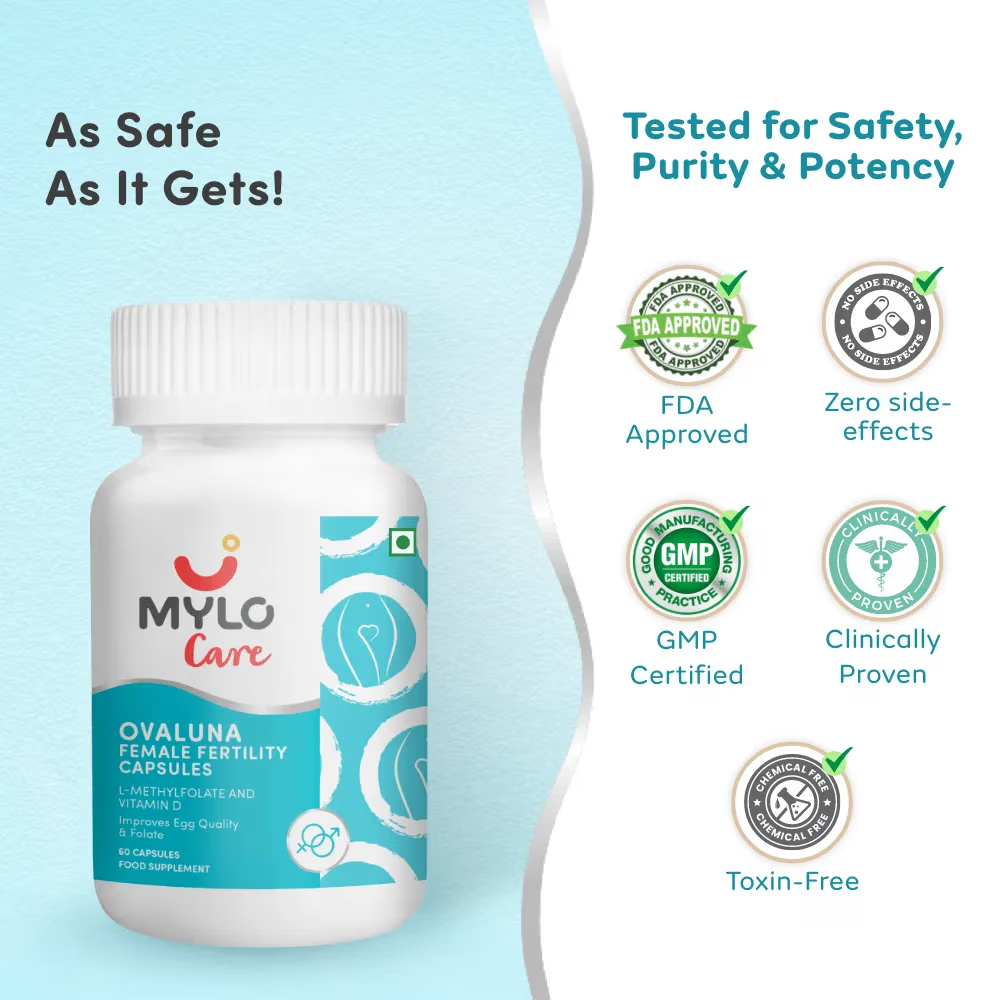
Mylo fertility capsules are an example of a fertility-focused product designed around the growing interest in targeted preconception nutrition. However, women should still review the formulation carefully and consider their own nutritional requirements before adding any supplement to their routine.
Products should be viewed as one part of a broader preconception strategy rather than as a replacement for medical evaluation or healthy lifestyle habits.
Prepare For Nutritional Changes During Pregnancy
The nutritional priorities of pregnancy differ from those of the preconception period. Once pregnancy occurs, certain nutrients become particularly important for fetal development and maternal health.
Women who have been taking fertility supplements should inform their healthcare provider after confirming pregnancy. Some products may need to be discontinued, adjusted, or replaced with a prenatal formulation appropriate for pregnancy.
Making this transition with professional guidance helps ensure that nutritional choices remain suitable for the new stage.
Technology For A More Organized Pregnancy Journey – Mylo Pregnancy & Parenting App
Technology can help women stay organized once conception occurs. Pregnancy-focused digital resources can provide information about fetal development, trimester changes, appointments, nutrition, and common pregnancy experiences. The Mylo Pregnancy & Parenting App offers a convenient way for expectant parents to access pregnancy guidance, follow important milestones, explore educational resources, and better understand changes throughout the pregnancy journey.
Modern apps can also help expectant mothers follow important milestones and access educational resources in one convenient place. These tools are useful for staying informed, but they should complement rather than replace consultations with qualified healthcare professionals. Keeping important information organized can make the transition from conception planning to pregnancy care feel more manageable.
Conclusion
Preparing for conception involves much more than choosing a fertility product. Balanced nutrition, healthy lifestyle habits, appropriate medical care, and informed supplementation decisions can work together to support overall reproductive wellness. Understanding ingredients and individual nutritional needs also helps women approach supplements more responsibly. As the journey progresses, pregnancy apps can also help expectant mothers track important milestones, access useful information, and stay organized throughout pregnancy.
For women seeking convenient fertility and pregnancy-focused resources alongside thoughtfully developed products, Mylo offers practical support designed to complement different stages of the journey toward parenthood.