For years, the EV conversation in India revolved around personal cars and two-wheelers. Somewhere along the way, a quieter but more consequential shift began: cargo vans, delivery three-wheelers, and auto-rickshaws started going electric.
This shift matters more than it gets credit for.
Commercial vehicles run longer hours and cover more kilometres than private cars ever will. One electric delivery van or e-rickshaw replacing its diesel or CNG counterpart cuts far more emissions per unit than a personal EV parked in a garage for most of the day.
The Logistics Side: Delivery Fleets Go Electric
E-commerce and quick commerce have made last-mile delivery one of the most demanding parts of India’s supply chain. Fleets need vehicles built for daily loads, tight city routes, and unpredictable traffic, without high fuel and maintenance bills.
Electric cargo vehicles are winning this shift for a few clear reasons:
- Lower running cost per kilometre compared to petrol or diesel
- Reduced maintenance, fewer moving parts than combustion engines
- Predictable uptime, important for delivery SLAs
- Better total cost of ownership over the vehicle’s life, not just at purchase
Fleet operators aren’t switching out of environmental sentiment. It comes down to the math, and for high-mileage commercial use, electric usually wins.
Companies like Euler Motors have built their business around this exact use case. Their cargo EVs are designed from the ground up for Indian road conditions and delivery workloads, not adapted from passenger platforms after the fact. That distinction shows up in how the vehicles hold up under daily strain.
The Passenger Side: Auto-Rickshaws Are India’s Real Mass Transit
Delivery fleets get most of the headlines, but auto-rickshaws quietly move a massive share of India’s urban population every day.
A few numbers worth sitting with:
- Auto-rickshaws account for close to 20% of daily transport trips in cities like Delhi, Mumbai, and Bengaluru
- For millions of drivers, the auto-rickshaw isn’t just a vehicle, it’s their livelihood
- Every kilometre driven on fuel instead of electricity is money out of a driver’s daily earnings
This is where passenger EVs start to matter. Drivers switching from petrol or CNG autos to electric ones aren’t only making an environmental choice, they’re making a financial one. Lower running costs mean higher take-home earnings, and that’s a far stronger adoption driver than emissions ever will be.
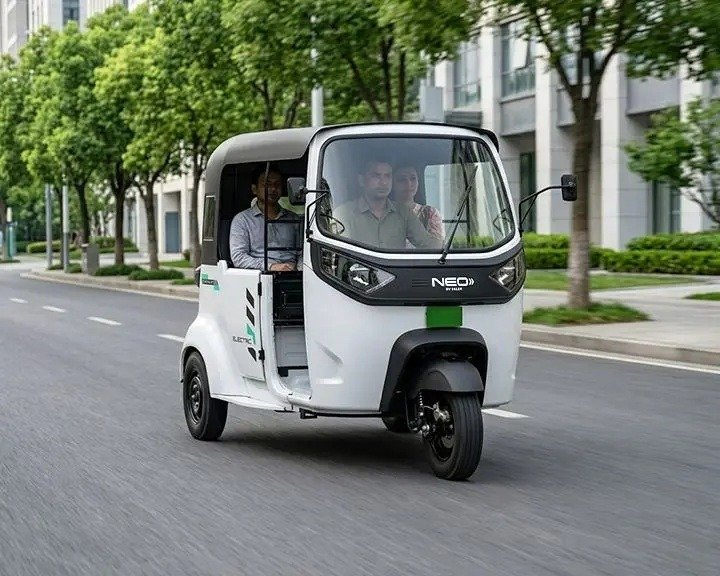
Euler Motors, already established in commercial cargo EVs, extended into this space with NEO by Euler, its dedicated passenger three-wheeler brand. The NEO HiRANGE was built after extensive R&D and direct feedback from thousands of auto-rickshaw drivers, with a focus on:
- Range on a single charge
- Vehicle uptime and durability
- Low total cost of ownership
- Daily reliability drivers can plan their earnings around
It’s a solid example of commercial EV expertise carrying over into passenger mobility, instead of starting from scratch.
Why the Two Segments Are More Connected Than They Look
Cargo and passenger commercial EVs seem like separate categories, but they share the same core pressures:
- High daily usage
- Tight margins for the people operating them
- Zero tolerance for breakdowns
A company that knows how to build a reliable electric cargo vehicle is often well positioned to build a reliable passenger three-wheeler too. The engineering challenges overlap more than they differ.
This is also why commercial EV adoption tends to move faster than personal EV adoption in practical terms. Fleet operators and drivers make decisions on daily economics, not brand preference. When the numbers work, adoption follows.
What This Means for India’s EV Transition
The next phase of India’s EV growth will likely be driven less by personal car buyers and more by the people who use vehicles for a living:
- Delivery riders
- Fleet operators
- Auto-rickshaw drivers
These are the users putting the most kilometres on Indian roads every day, and each one that switches to electric has an outsized impact on fuel consumption and emissions compared to a private car owner.
Companies focused specifically on commercial EVs, from cargo vehicles to passenger three-wheelers like Euler Motors, are positioned closer to where the real transition is happening. As charging infrastructure expands and more drivers see the earning potential of going electric, this segment is likely to keep leading India’s EV story, one delivery route and one auto-rickshaw fare at a time.