The pursuit of café-quality espresso at home has shifted from impossible dream to achievable reality, yet choosing the right machine remains surprisingly complex. Walk into any appliance store or browse online retailers, and you’ll encounter bewildering arrays of pump machines, steam-driven units, manual lever systems, and super-automatic behemoths, each claiming to deliver authentic Italian espresso. Price tags range from modest to mortgage-threatening, while technical specifications read like engineering textbooks filled with bars of pressure, boiler types, and PID temperature controllers.
But what truly separates exceptional home espresso machines from disappointing purchases? Beyond marketing claims and aesthetic appeal, certain fundamental characteristics determine whether a machine consistently produces rich, properly-extracted shots or delivers bitter, under-extracted disappointments. Understanding these core elements—from pressure consistency to temperature stability—empowers you to navigate the market confidently and invest in an espresso machine that matches both your skill level and daily coffee rituals.
Pressure Systems and Extraction Quality
Authentic espresso extraction requires approximately nine bars of pressure forcing hot water through finely ground, compacted coffee over twenty-five to thirty seconds. This specific pressure range extracts the soluble compounds that create espresso’s characteristic body, crema, and flavor complexity without over-extracting bitter elements or under-extracting sour acids. Home machines achieve this pressure through different mechanisms, each with distinct advantages and limitations.
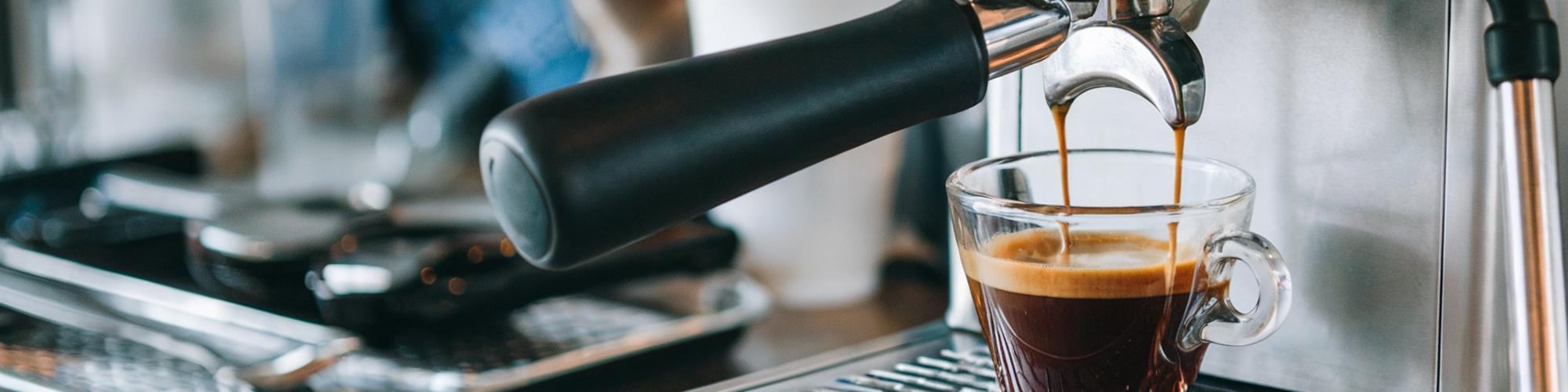
Pump-driven machines represent the gold standard for home brewing, using electric pumps to generate consistent pressure regardless of coffee resistance or extraction duration. Vibratory pumps, common in entry and mid-level machines, oscillate rapidly to build pressure—they’re louder but reliable and affordable. Rotary pumps, found in premium home and commercial machines, operate quietly and smoothly while maintaining rock-steady pressure even during simultaneous brewing and steaming operations.
Steam-driven machines, while more affordable, struggle to reach proper espresso pressure, typically maxing out around three to four bars. They produce coffee stronger than drip but lacking true espresso character—the crema appears thin and dissipates quickly, while flavors tend toward bitter rather than balanced. Manual lever machines offer romantic appeal and ultimate control but demand significant skill development before consistently producing quality shots, making them better suited for enthusiasts than casual morning brewers.
Temperature Control and Consistency
Water temperature during extraction critically affects flavor outcome, with the ideal range sitting narrowly between ninety and ninety-six degrees Celsius. Temperature just a few degrees too low under-extracts coffee, producing sour, weak shots lacking body. Conversely, water too hot over-extracts, emphasizing bitter compounds and burnt flavors while destroying delicate aromatics. Maintaining precise, stable temperatures throughout extraction separates adequate machines from excellent ones.
Single boiler systems, the most basic design, use one heating element for both brewing water and steam production. These machines require waiting periods between pulling shots and steaming milk while the boiler heats or cools to the appropriate temperature—manageable for solo morning espressos but frustrating when preparing multiple drinks. Thermoblock systems heat water on-demand as it flows through heated metal blocks, offering faster warm-up times but sometimes struggling with temperature consistency during continuous use.
Dual boiler configurations dedicate separate heating systems to brewing and steaming, eliminating wait times and maintaining optimal temperatures for each function simultaneously. This design particularly benefits households where multiple people want cappuccinos or lattes in quick succession. PID temperature controllers, increasingly common even on mid-range machines, monitor and adjust heating precisely, compensating for environmental factors and usage patterns that would otherwise cause temperature drift during operation.
Grinder Integration and Coffee Preparation
Espresso quality depends as much on grind consistency and freshness as on machine capability—even the finest equipment cannot salvage poorly ground or stale coffee. The relationship between grinder and machine deserves careful consideration when planning your home setup, as these two components work together intimately during extraction. Super-automatic machines incorporate built-in grinders that dose and tamp automatically, offering ultimate convenience at the cost of extraction control and grind quality compared to dedicated grinders.
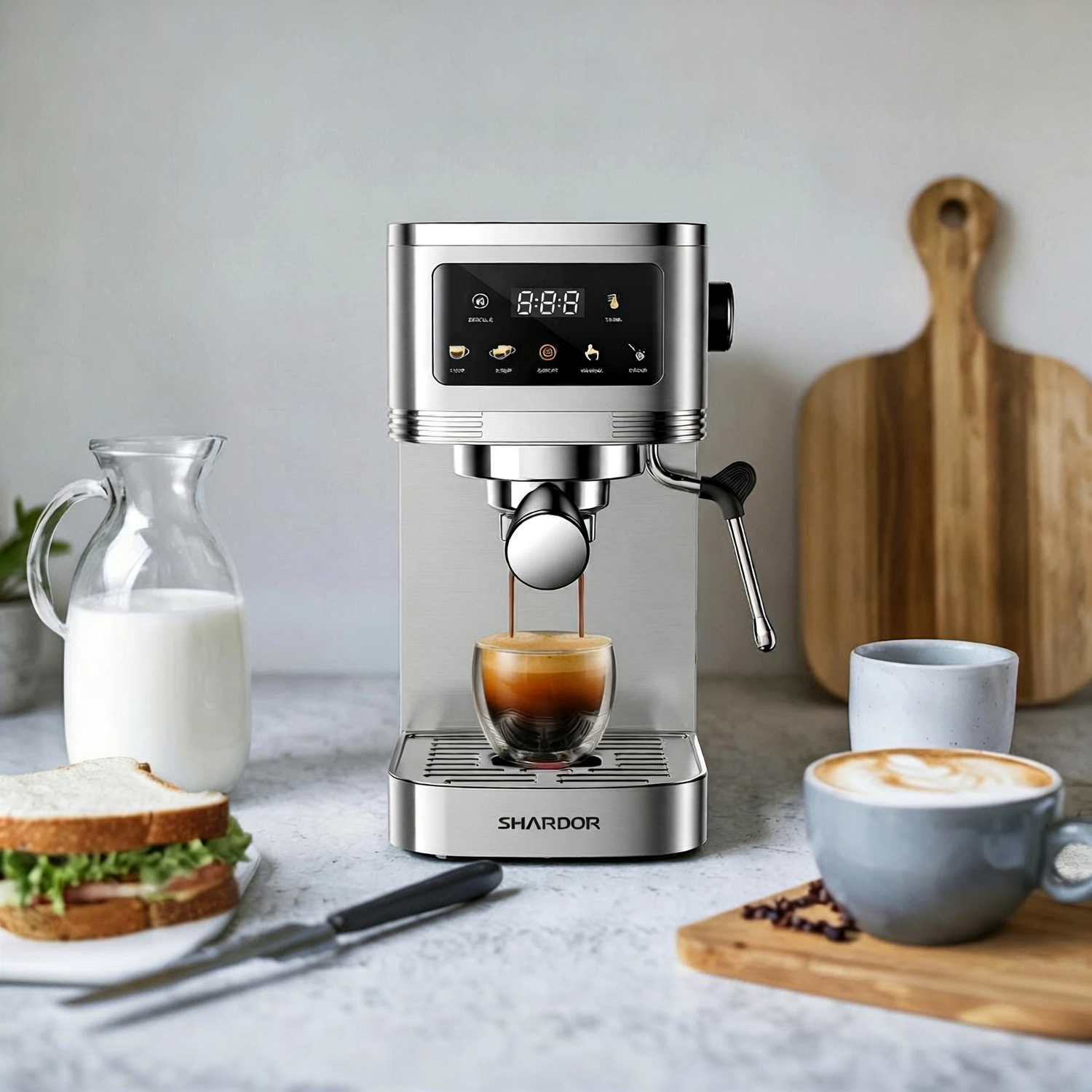
Semi-automatic and manual machines require separate grinders, giving users complete control over grind size, dose weight, and tamping pressure—the variables skilled baristas manipulate to dial in perfect extractions. Burr grinders, whether conical or flat, produce uniform particle sizes essential for even extraction, while blade grinders create inconsistent grounds that extract unevenly, channeling water through finer particles while leaving coarser chunks under-extracted.
Some SHARDOR espresso systems strike a middle ground, accommodating both pre-ground coffee and freshly-ground beans without forcing users into super-automatic limitations. This flexibility proves valuable during the learning curve or when traveling with pre-ground coffee, while still allowing progression toward freshly grinding beans at home as skills and interest develop.
Portafilter Design and Basket Size
The portafilter—the handled basket holding ground coffee during extraction—significantly influences both workflow and shot quality. Commercial-style fifty-eight millimeter portafilters offer maximum flexibility, accommodating various basket sizes and widely-available aftermarket accessories. Smaller proprietary portafilters reduce flexibility but often integrate better with compact machine designs suited to limited counter space.
Pressurized baskets feature restrictive holes that build artificial pressure even with imperfect grinds or tamping, making them forgiving for beginners using pre-ground coffee. Non-pressurized or commercial-style baskets demand proper grinding, dosing, and tamping technique but reward skilled users with superior flavor clarity and body. Machines offering both basket types allow users to start with training wheels before graduating to full manual control as their technique improves.
Milk Frothing Capabilities
For enthusiasts who primarily drink milk-based espresso beverages—cappuccinos, lattes, flat whites—steam wand quality and power merit serious evaluation. The steam wand must generate sufficient pressure and volume to create microfoam with silky texture rather than large, soapy bubbles. Commercial-style articulating wands with multiple holes provide better control and faster frothing than simple panarello attachments with single holes and plastic sleeves.
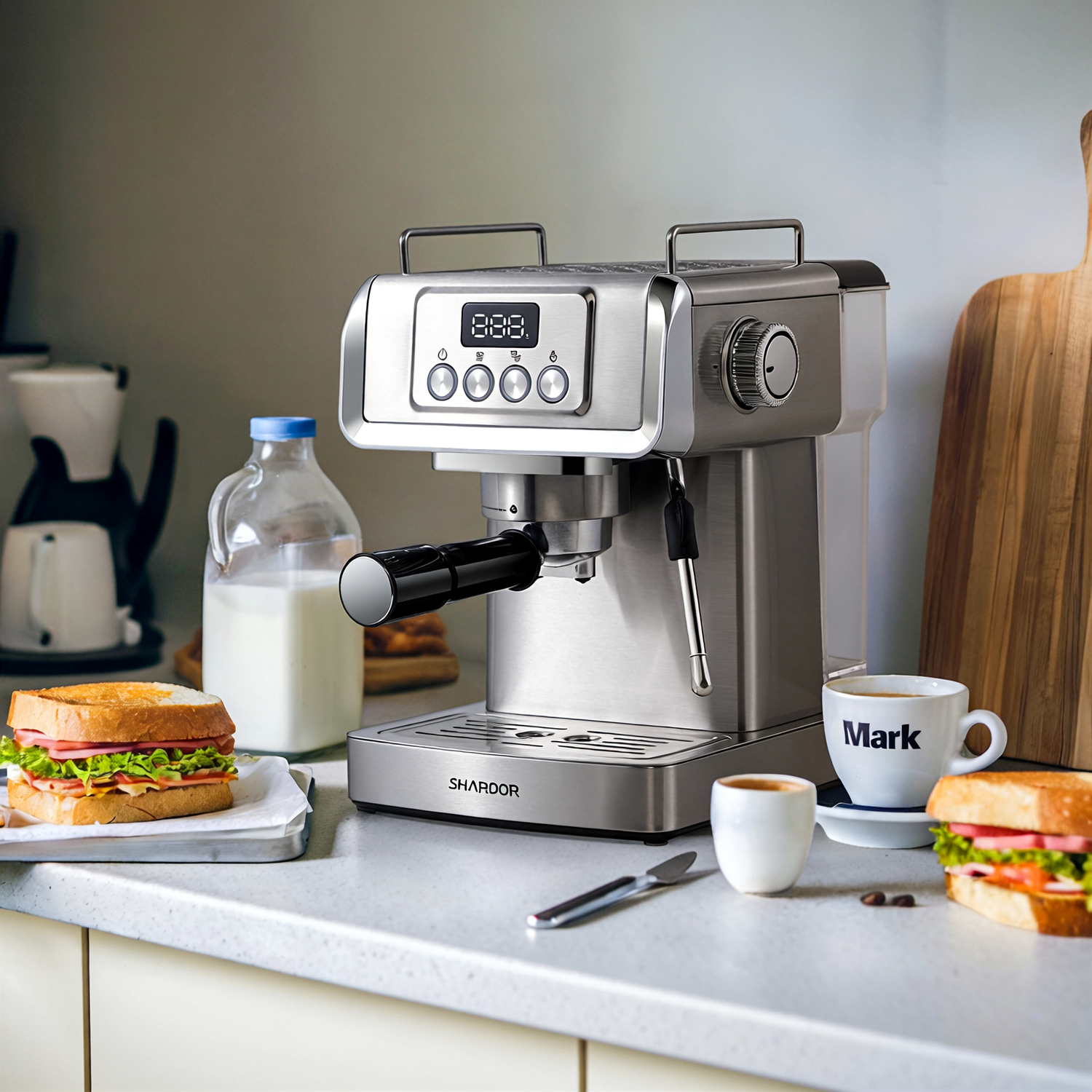
Steam power correlates with boiler capacity and heating element wattage. Machines with undersized boilers or weak elements run out of steam mid-froth or require lengthy recovery periods between drinks. Dual boiler systems excel here, maintaining both brew temperature and powerful, continuous steam without compromise. Single boiler machines with adequate capacity and heating power can produce excellent microfoam but require more patience and planning when preparing multiple drinks.
Automatic milk frothers appeal to those prioritizing consistency and convenience over technique mastery. These systems produce acceptable results with minimal learning curve, though experienced users generally prefer manual wands for their superior texture control and ability to achieve competition-level microfoam. Some machines offer both automated and manual options, accommodating different household members’ preferences and skill levels.
Maintenance Requirements and Longevity
Espresso machines demand regular maintenance to sustain performance and prevent costly repairs. Daily tasks include purging the group head, wiping steam wands, and emptying drip trays—simple routines taking just minutes. Weekly backflushing with cleaning powder removes coffee oil buildup from group head components, preventing rancid flavors from contaminating fresh shots. Monthly or quarterly descaling removes mineral deposits from boilers and water lines, essential in areas with hard water.
Machine design affects maintenance burden significantly. Removable brew groups allow thorough cleaning without tools or technical knowledge, while sealed units require professional servicing for deep cleaning. Water reservoir capacity determines refilling frequency—larger tanks reduce daily attention but require more counter space. Built-in water filters extend descaling intervals and protect internal components, though filter replacement adds recurring costs.
Build quality directly impacts longevity and repair likelihood. Metal internal components outlast plastic alternatives, particularly in high-heat areas near boilers and group heads. Replaceable wear parts—gaskets, shower screens, seals—should be readily available and user-serviceable rather than requiring professional technician visits for routine replacements. Manufacturer reputation for parts availability and customer service support becomes increasingly important as machines age beyond warranty periods.
Space, Aesthetics, and Daily Integration
Counter space limitations constrain options for many home brewers, particularly in apartment kitchens or homes with limited workspace. Compact machines measuring less than twelve inches wide fit nearly anywhere but may sacrifice features like dual boilers or large water reservoirs. Full-sized home machines typically require eighteen to twenty inches of width plus clearance above for refilling water and beans, effectively claiming significant permanent counter real estate.
Beyond dimensions, aesthetic integration matters for appliances occupying prominent kitchen positions. Stainless steel construction complements modern kitchens and professional-grade appliances, while retro-inspired designs with chrome details and pastel colors suit vintage or eclectic décor. Some manufacturers offer multiple color options, allowing coordination with existing appliances and design schemes rather than accepting whatever finish manufacturers choose.
Daily workflow integration extends beyond physical space to noise levels, warm-up times, and operational simplicity. Machines requiring fifteen to thirty minutes preheating before brewing demand advance planning or continuous operation, while rapid-heating thermoblock systems accommodate spontaneous espresso cravings. Noise during grinding, pumping, and steaming varies considerably—a critical factor for early-morning brewing in households with sleeping family members or noise-sensitive roommates.
Finding Your Ideal Match
The perfect home espresso machine balances technical capability, ease of use, and lifestyle compatibility rather than simply maximizing features or minimizing cost. Beginners benefit from machines offering pressurized baskets, automatic grinding and dosing, and forgiving temperature control, while experienced home baristas demand manual controls, commercial-grade components, and precise temperature management. Neither approach is superior—they serve different users with distinct priorities and skill levels.
Consider your realistic daily routine, honestly assessing how much time and attention you’ll dedicate to coffee preparation and maintenance. A super-automatic suits busy households wanting consistent drinks at button-press convenience, while a semi-automatic rewards those viewing espresso preparation as an engaging morning ritual worth mastering. By matching machine capabilities to your actual habits rather than aspirational ideals, you’ll invest in equipment that enhances daily life rather than becoming an expensive, under-utilized showpiece collecting dust and regret.