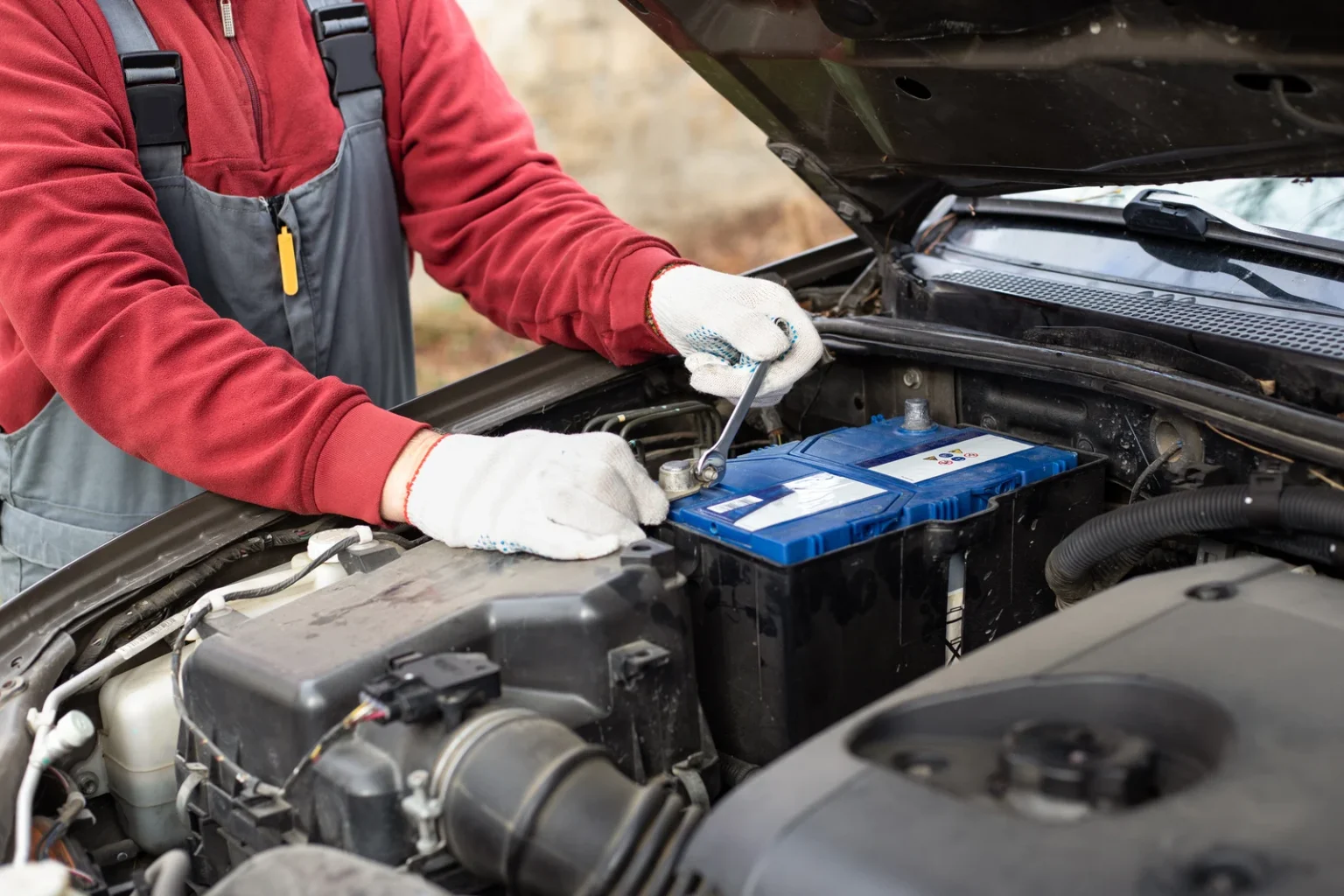
Taking care of a vehicle requires more than simply filling the fuel tank and driving regularly. Proper maintenance, responsible driving habits, and timely inspections all contribute to better performance and long-term reliability. Every vehicle experiences gradual wear because of road conditions, weather changes, daily commuting, and regular use. Without appropriate care, small mechanical problems can develop into expensive repairs that affect safety and driving comfort. Following practical car care strategies helps vehicle owners protect important components, improve fuel efficiency, and reduce unexpected breakdowns. Regular attention to engine performance, tires, brakes, and other essential systems also makes everyday driving more dependable. Drivers looking for professional Auto Repair Mt Penn PA services can benefit from understanding how preventive maintenance supports vehicle health and helps avoid unnecessary repair expenses.
Understanding the Importance of Regular Vehicle Maintenance
Regular vehicle maintenance is essential for keeping automotive systems operating properly. Engines, transmissions, brakes, suspension components, and electrical systems all require attention to maintain dependable performance. Ignoring maintenance recommendations can increase component wear and create problems that become more expensive over time.
Preventive maintenance focuses on identifying potential concerns before they affect other vehicle components. Routine inspections allow mechanics to evaluate vehicle condition, recognize early warning signs, and recommend suitable repairs.
Following a Consistent Maintenance Schedule
Every vehicle has specific maintenance requirements based on its design, mileage, and driving conditions. Following the manufacturer’s recommended service schedule helps ensure important components receive attention at appropriate intervals.
Oil changes, filter replacements, fluid inspections, and tire rotations are common maintenance tasks. Keeping track of these services makes it easier to understand when the next inspection or replacement is necessary.
Paying Attention to Warning Signs
Vehicles often provide noticeable indications when something is not working correctly. Unusual sounds, dashboard warning lights, fluid leaks, vibrations, and changes in driving performance should never be ignored.
Addressing these warning signs early can prevent additional mechanical damage. A professional inspection can help determine whether a problem requires immediate attention or routine maintenance.
Keeping the Engine in Excellent Condition
The engine is one of the most important parts of any vehicle. Its performance affects acceleration, fuel consumption, reliability, and overall driving experience. Proper engine maintenance helps reduce internal wear and supports efficient operation.
Changing Engine Oil Regularly
Engine oil lubricates moving components and reduces friction during operation. It also helps control heat and carries contaminants away from important internal parts. Over time, oil becomes dirty and gradually loses its protective properties.
Replacing engine oil and filters according to recommended intervals helps maintain proper lubrication. Mechanics can also inspect for leaks, unusual noises, and other signs of engine trouble during routine servicing.
Maintaining the Cooling System
The cooling system prevents the engine from overheating during operation. It includes important components such as the radiator, thermostat, coolant hoses, water pump, and cooling fan.
Drivers should monitor coolant levels and pay attention to temperature gauge changes. Regular inspections can identify leaks, damaged hoses, or cooling system problems before they cause serious engine damage.
Improving Tire Condition and Brake Performance
Tires and brakes have a direct influence on vehicle safety, handling, and driving comfort. Maintaining these components properly helps drivers maintain control and respond effectively to changing road conditions.
Checking Tire Pressure and Tread Depth
Incorrect tire pressure can affect fuel efficiency, handling, and tire lifespan. Underinflated tires create additional resistance, while excessive pressure can reduce road contact and affect driving comfort.
Checking tire pressure regularly helps maintain proper performance. Drivers should also inspect tread depth and look for cracks, bulges, or uneven wear. Rotating tires according to recommended intervals can help distribute wear more evenly.
Inspecting the Braking System
A properly functioning braking system is essential for safe driving. Brake pads and rotors gradually wear down through regular use, making periodic inspections important.
Drivers should pay attention to squeaking noises, grinding sounds, vibrations, or changes in stopping distance. Professional brake inspections help identify worn components and ensure the system continues operating effectively.
Developing Better Driving Habits
Driving behavior can significantly influence how quickly vehicle components wear out. Responsible driving habits help reduce mechanical stress and support better long-term performance.
Avoiding Aggressive Acceleration and Braking
Sudden acceleration and harsh braking place additional pressure on the engine, transmission, brakes, and tires. Maintaining smoother driving habits can reduce unnecessary wear and improve fuel economy.
Allowing sufficient distance between vehicles also reduces the need for sudden braking. Consistent speeds and gradual acceleration help create a more comfortable driving experience.
Protecting Your Vehicle From Environmental Damage
Weather conditions and environmental factors can affect different vehicle components. Extreme temperatures, road salt, moisture, dust, and debris may contribute to corrosion or premature wear.
Regular washing, checking protective coatings, and parking in covered areas when possible can help protect exterior surfaces. During colder months, checking the battery, coolant, and tires becomes especially important.
Essential Car Care Tasks Every Owner Should Remember
Maintaining a vehicle becomes easier when owners develop a simple routine for checking important components. Small maintenance habits can help prevent problems and improve overall reliability.
Some useful car care practices include:
- Check engine oil, coolant, and other important fluid levels regularly.
- Inspect tires for proper pressure, tread depth, and uneven wear.
- Replace dirty air filters according to maintenance recommendations.
- Test battery condition and inspect electrical connections.
- Keep the vehicle clean to reduce dirt buildup and corrosion.
- Schedule professional inspections when unusual warning signs appear.
These simple practices help drivers monitor vehicle condition and recognize potential concerns before they become expensive mechanical problems.
Choosing Professional Auto Repair Services
Although some basic maintenance tasks can be completed by vehicle owners, complicated mechanical problems require professional attention. Experienced technicians have the knowledge and equipment needed to inspect automotive systems, identify faults, and complete appropriate repairs.
Drivers searching for Auto Repair In Mt. Penn, PA should consider factors such as technician experience, service quality, diagnostic equipment, and transparent communication. A dependable automotive repair provider should explain the condition of the vehicle and recommend solutions based on actual inspection results.
Benefits of Professional Inspections
Professional inspections help identify problems that may not be visible during everyday driving. Mechanics can examine engine components, suspension systems, brakes, electrical connections, and other important areas.
Accurate diagnostics also reduce the possibility of unnecessary part replacements. By identifying the actual cause of a problem, technicians can recommend suitable repairs and help vehicle owners manage maintenance expenses.
Planning Repairs Before Problems Become Serious
Delaying necessary repairs can increase the risk of additional damage. For example, worn brake pads may damage rotors, while neglected cooling system leaks can eventually cause engine overheating.
Taking care of repairs at the right time helps protect connected components and maintain vehicle reliability. Keeping service records also makes it easier to monitor previous repairs and plan future maintenance.
Conclusion
Practical car care strategies play an important role in maintaining vehicle performance, improving safety, and reducing unexpected repair expenses. Regular oil changes, tire inspections, brake maintenance, cooling system checks, and responsible driving habits help protect essential automotive components. Paying attention to warning signs and arranging professional inspections can prevent minor concerns from developing into major mechanical problems. Vehicle owners who follow consistent maintenance routines can enjoy better reliability, improved efficiency, and a more comfortable driving experience. Investing time in preventive automotive care is a practical way to extend vehicle lifespan and keep everyday transportation dependable for years to come.