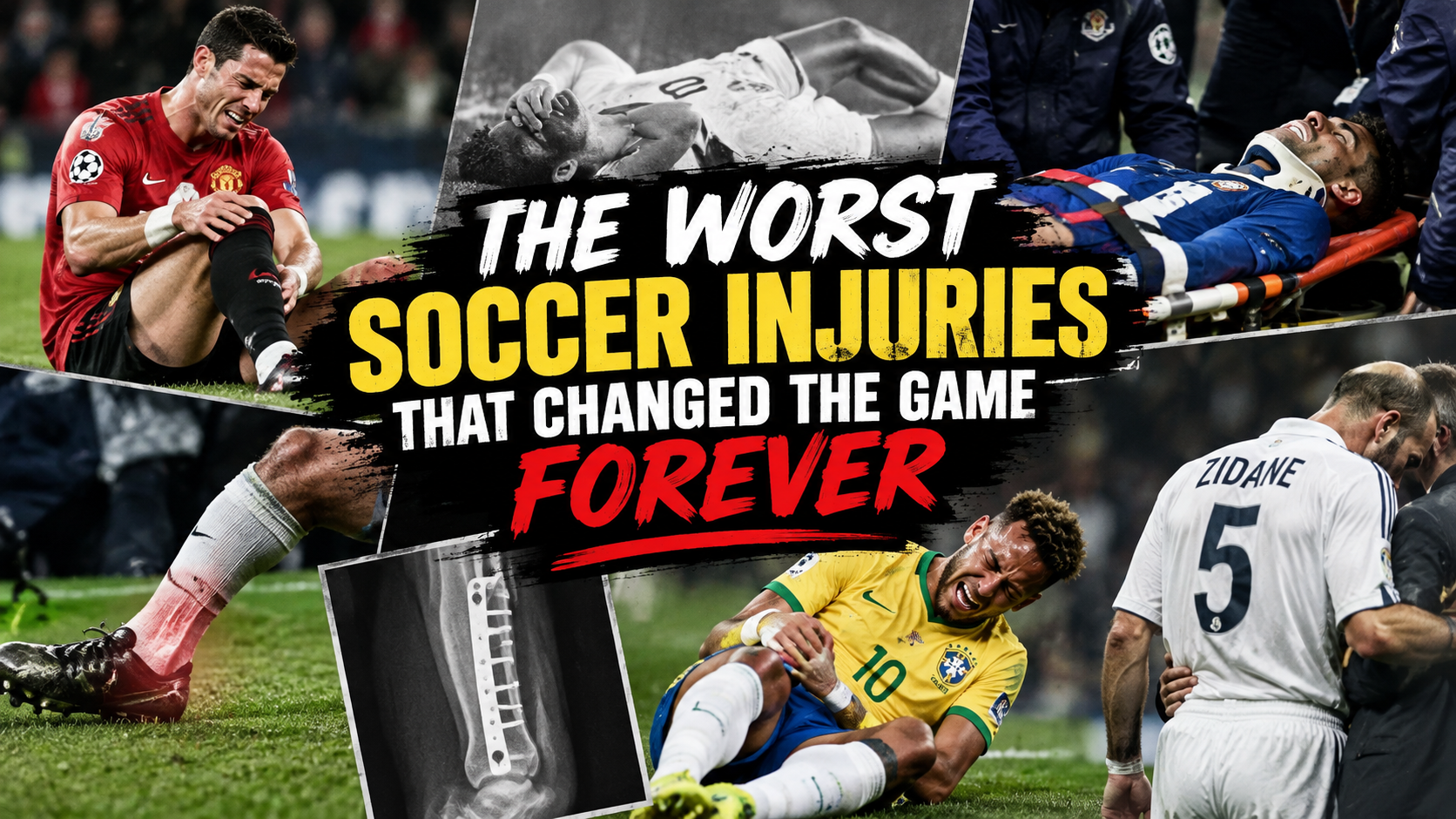
Soccer looks simple from the stands. Two teams, one ball, ninety minutes of running. Anyone who watches closely knows the field can become dangerous in a moment. Just as fans watch odds on Dbbet before games. Every exciting match hides a risk of Worst Soccer Injuries. Some injuries shocked fans. Some ended players’ careers. This article explores the Worst Soccer Injuries history, why they happen and what soccer has learned.
Why Soccer Injuries Happen Often
Soccer is a contact sports injury when it does not look like it. Soccer players sprint at speed, twist their knees while dribbling and collide often while chasing the ball. These moments create a setting for injuries that can end a season or even a whole career.
The Physical Demands of the Game
A soccer match demands much from the body. Players run miles each game, change direction constantly and jump for headers with warning. Over time this wear and tear accumulates, making joints and muscles more likely to fail under pressure.
Common Triggers on the Pitch
Injuries occur during tackles, stops or awkward landings. A studs-up challenge, a fall or even overtraining can cause harm. Referees attempt to keep the game fair. They cannot prevent every moment before it turns into an injury.
A Look Back at the Worst Soccer Injuries in History
The worst injuries in soccer stand out because of their severity. Because they happened before millions of viewers. These moments remind everyone that soccer for all its beauty carries danger.
David Busst’s Horrific Leg Break
In 1996 Coventry City defender David Busst suffered one of the soccer injuries ever seen. He broke his leg badly so that players on the pitch turned away unable to watch. His career ended that day. The incident still arises whenever people discuss moments in worst injuries in soccer.
Alf-Inge Haaland and Roy Keane
This encounter then became a history in its own right. Alf-Inge Haaland broke his knee from Roy Keane’s tackle The peculiar part of the case was that Keane later confessed that he did it on purpose, which added a rather delicious twist to the injury.
Marc-Vivien Foé’s Tragic Collapse
It is not just a tackle from where any oncoming serious injury comes. In 2003, the Cameroon international collapsed due to a heart condition during a Confederations Cup match. He died after the collapse. The death of Marc-Vivien Foé pushed soccer organizations to finally treat player health screening with the seriousness it deserved.
Eduardo da Silva’s Ankle Injury
Example: Eduardo da Silva’s dislocated ankle in 2008. Suffered broken leg in his match against Birmingham City. In fact, the injury was so gruesome that broadcasters did not replay it. Eduardo da Silva made a football return. His many opponents claim he has never fully recovered.
How These Injuries Changed Soccer Rules and Safety
Every time a serious injury happens there is a conversation about player safety. Over the years these painful moments have pushed soccer governing bodies to make changes.
Stricter Tackling Rules
Referees now show cards quickly for challenges. Video Assistant Referee (VAR) technology also helps officials review tackles that might have been missed in time. These steps aim to reduce the number of soccer injuries that happen from play.
Better Medical Screening
After cases like Marc-Vivien Foé’s collapse clubs started requiring heart and health screenings, for players. This helps find conditions before they become deadly on the field.
Improved Recovery and Rehabilitation
Sports medicine has come a way. Physiotherapists, surgeons and trainers now work together using techniques to help players recover faster and safer than before. Some athletes who suffered injuries decades ago would have had recovery chances with today’s methods.
What Players and Fans Can Learn From These Moments: Sports Injury Lessons
These stories are not history. They carry lessons for everyone involved in soccer. From players to weekend hobbyists.
Warming Up Matters
Muscles and stiff joints are more likely to tear or break under stress. A proper warmup routine lowers this risk significantly for players enjoying a weekend match.
Listening to Your Body
Many injuries get worse because players try to push through pain. Coaches and trainers now stress the importance of stopping play at the sign of trouble rather than risking permanent damage.
Respecting the Game and Each Other
Some of the soccer injuries happened because of play. Encouraging competition helps protect everyone on the pitch no matter the skill level or league.
Final Thoughts
There will always be some kind of risk in soccer.. That’s what makes it one of the most interesting things to watch and play. Thinking about the soccer injuries is a reminder, to fans and players why safety rules, good coaches and fast medical help are important. As time passed soccer became safer. Everything possible to keep those athletes who bring much happiness to viewers every week protected.
Frequently Asked Questions
What is considered the soccer injury of all time?
Many fans point to David Busst’s 1996 leg break as one of the worst soccer injuries ever seen on a pitch. It ended his career instantly. Shocked viewers alike.
Do soccer injuries happen more often than in other sports?
Soccer has an injury rate because of its paced nature. However contact sports like rugby and American football often report injury numbers overall.
Can VAR help prevent soccer injuries?
VAR helps referees spot tackles that might otherwise go unpunished. This added review process encourages play and quicker action, against dangerous challenges.
How has sports medicine improved player recovery?
Modern sports medicine uses surgery techniques and personalized rehab plans. Players today often recover faster and more fully than athletes did twenty years ago.
What can amateur players do to avoid injuries?
Warming up properly using techniques and listening to the body’s warning signs all help reduce risk. Wearing gear and playing on safe surfaces also makes a real difference.