
Choosing a translator device sounds easy until you stand in the electronics aisle and realize every model claims to support the same hundred languages. The specifications blur together, the marketing photos all look confident, and the reviews split between people who traveled once with the device and people who use it every week. If you plan to actually rely on a translator during long trips, work assignments, or multi-country journeys, you need to filter through the noise. The right device is not the one with the longest feature list; it is the one that keeps performing when you are jet-lagged, in a loud market, or on a rural road with no signal. This guide walks through the decisions that matter, in the order a traveler should think about them. By the end, you will have a clear framework you can apply to any brand or model, and a stronger sense of what to test before you commit.
Start With How and Where You Travel
Every good choice begins with a clear picture of use. A backpacker who spends weeks moving through Southeast Asia needs something different from a business traveler who visits Europe for three days at a time. Ask yourself which regions you visit most, how often you cross into low-signal areas, and how many hours of active use you need per day. If your trips cluster around a few countries, you can prioritize devices that cover those languages exceptionally well rather than ones that sprinkle mediocre coverage across a hundred. If you visit remote areas, offline performance becomes non-negotiable. If you travel with a partner, weight and shareability matter as much as raw capability.
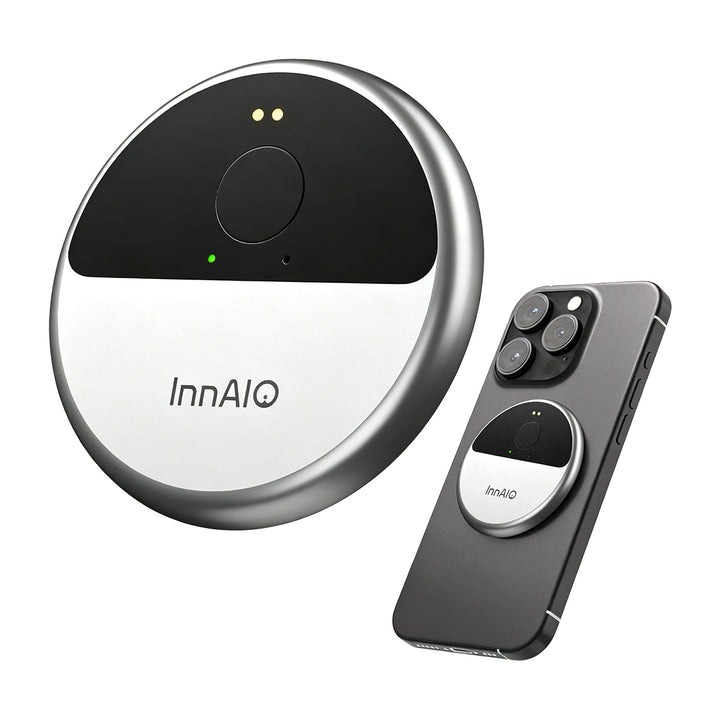
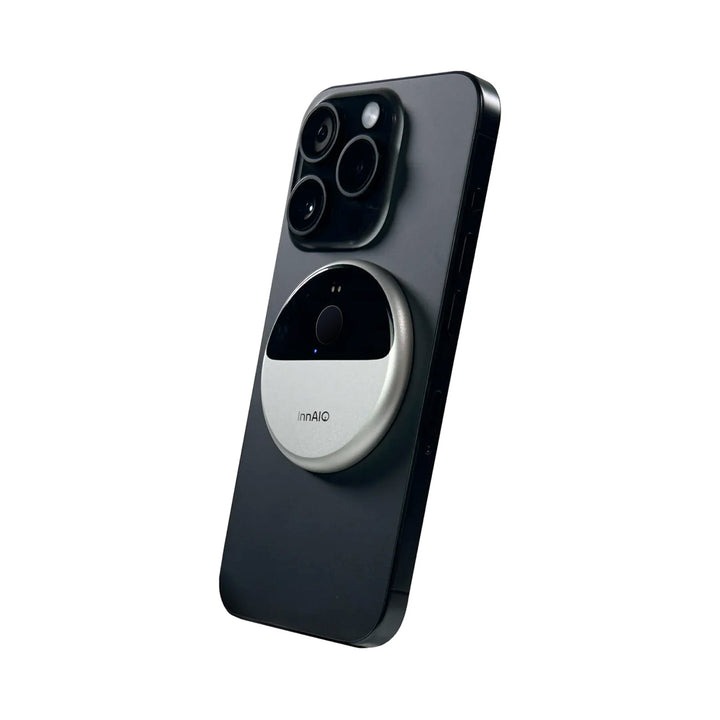
Once you know your travel profile, evaluate the market with those filters in mind. Reading reviews from travelers who match your pattern is far more useful than reading generic feature comparisons. A well-designed ai translator device should feel like it was built for your specific style of travel, not for a generic tourist. When you find one that lines up, the buying decision becomes obvious rather than agonizing, and you will trust the device more from the first day because it was chosen against your real needs.
Core Features Frequent Travelers Rely On
Some features look impressive in a demo but rarely matter in the field. Others sound mundane and turn out to be indispensable. Understanding this gap saves money and prevents disappointment. Focus your evaluation on the handful of capabilities that show up every day, and treat everything else as a bonus rather than a deciding factor.
Offline Language Support
The single most valuable feature for real travel is offline translation that works well. Cloud translation is fine when Wi-Fi is strong, but the moments you actually need help often occur where connectivity fails. Ask specifically which languages are supported offline, whether packs need to be downloaded in advance, and how much internal storage the device provides. Test the offline mode before your trip in airplane mode at home, and compare accuracy against the online mode for the languages you care about. If the offline output feels close to the online result, you have found a device worth trusting on the road.
Battery and Portability
A translator you leave at the hotel because it is too heavy is not a useful translator. Weight, thickness, and battery life together determine whether the device ends up in your daily bag or in a drawer. Look for real-world battery figures from long-form reviewers rather than the numbers on the box. Consider how the device charges; a common USB-C port simplifies life on long trips, and a battery that survives a full day of intermittent use keeps you from anxiously monitoring the indicator during a conversation. Portability is not glamorous, but it is the feature that decides whether you actually use the device.
Testing an AI Translator Device Before Trusting It
The final decision should never rest on specifications alone. A short structured test in the days before a trip will tell you more than any review, and it costs almost nothing.
Do a Real Conversation Test
Ask a friend who speaks another language, or use a video call with a family member abroad, to hold a five-minute conversation through the device. Not a scripted exchange, but a real one about their week. Notice how the rhythm feels, how quickly the device responds, and whether both of you had to slow down or repeat. Read the transcript together afterward and see how many nuances survived. If both sides come away feeling like they had a genuine exchange, the device passes the most important test. If either of you felt frustrated, keep looking.
Check Accents and Speed
Native speakers do not talk like language-learning tapes. They speak quickly, they use idioms, and they carry accents that reflect their region. Ask a native speaker of a language you plan to use to speak at natural speed and observe how the device handles it. Some models degrade sharply once speech leaves the textbook pace; others hold up well. Devices from brands like INNAIO tend to include acoustic models trained on diverse accents, which shows up in the field even if it is not obvious in the specification sheet. This is the difference between a device that works in a controlled demo and one that works in the real world.
Common Mistakes to Avoid
A few pitfalls trip up buyers who rush the decision. Do not choose a device solely by the number of supported languages; ten well-supported languages beat a hundred mediocre ones. Do not overlook microphone quality, because a translator can only translate what it heard clearly. Do not underestimate the importance of after-sale support and firmware updates; a device that stops receiving improvements becomes outdated within a year. Finally, avoid the trap of assuming that the newest model is always the best; a mature product with steady updates often outperforms a flashy launch that has not yet earned its reliability.
Take your time, run your tests, and trust the results. The right device rewards this patience with years of confident use, and it becomes one of those small tools you never regret owning. When you finally travel with a translator that fits your life, the technology fades into the background and the world in front of you comes into focus. That is the outcome worth choosing for, and every step in this process is really a way of getting there.
Traveling Lighter, Speaking Freer
A well-chosen translator device does more than convert one language into another. It reshapes how you plan trips, how you engage with locals, and how much of a country you actually experience. The framework in this guide keeps your attention on the questions that matter: your real travel patterns, the handful of features that survive real use, and the tests that reveal quality before you leave home. Follow that process and you will end up with a device you trust, one that feels like an extension of your own preparation rather than a piece of gear you constantly manage. When trust settles in, curiosity takes over, and travel opens up in ways it could not before. That is the return on the time you spend choosing well, and it is why the effort is worth every minute you invest in it before the trip begins.