The beauty industry is moving beyond traditional creams, cleansers, and occasional salon appointments. Many consumers now want more control over their personal care routines, including the ability to explore different treatments at home. This shift has encouraged manufacturers to develop compact beauty equipment that makes certain facial treatments easier to access without requiring a professional appointment every time.
One reason for this growing interest is the demand for practical solutions to everyday skin concerns. Excess oil, congested pores, and uneven facial texture can affect how the skin looks, especially in areas where natural oil production is higher. Although these concerns are normal, people often spend considerable time experimenting with products and techniques to find an approach that suits their skin.
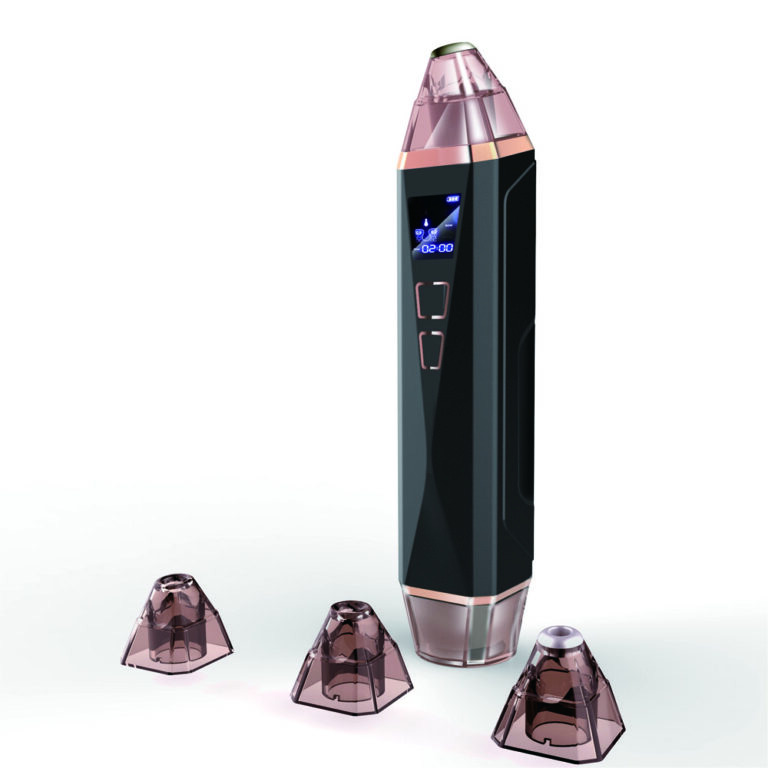
Modern facial equipment offers another option. A vacuum blackhead remover uses suction technology to help lift loose material and surface buildup from pores. Its appeal comes from offering a mechanical approach to facial care, but understanding the technology and using it responsibly are essential before making it part of a regular routine.
The Growing Demand for At-Home Beauty Equipment
Convenience has become an important factor in purchasing decisions across the beauty market. Busy schedules, limited appointment availability, and the desire for personalised routines have encouraged consumers to explore equipment that can be used in their own homes.
Facial devices are available in different forms, including cleansing brushes, skin cooling tools, light-based equipment, and suction devices. Each category serves a different purpose, so consumers should avoid assuming that all beauty machines provide the same benefits.
The attraction of home equipment is not necessarily about replacing professional treatments. It is about making selected aspects of personal care more accessible. People can establish a routine around their own schedules, become familiar with the equipment, and decide which treatments are appropriate for their needs.
However, convenience should never come at the expense of skin safety. A device that looks simple to operate may still require specific preparation, pressure control, and cleaning procedures.
What Happens Inside a Congested Pore?
To understand pore-cleaning technology, it helps to look at the natural processes taking place beneath the skin’s surface.
Sebaceous glands produce an oily substance called sebum. This oil travels through hair follicles and helps maintain the skin’s natural protective layer. Dead skin cells also shed continuously as part of the skin renewal process.
Sometimes, these cells mix with excess sebum and accumulate inside a follicle. When the opening remains exposed, the material can darken through oxidation and form what is commonly called a blackhead.
Blackheads are particularly noticeable in areas such as the nose, chin, and forehead. Their appearance does not automatically indicate poor hygiene. In fact, excessive washing and harsh scrubbing may irritate the skin without addressing the factors responsible for congestion.
A more useful strategy combines suitable cleansing, appropriate skincare ingredients, and careful treatment choices.
Exploring the Technology Behind Suction-Based Treatments
Suction-based facial equipment operates by creating negative pressure through a treatment attachment placed against the skin. This pressure is designed to help lift loose debris and surface material from pores.
Different devices may include several suction levels and interchangeable heads. These features allow users to adjust the treatment according to the equipment’s instructions and the area being treated.
The operating technique is important. Moving the device continuously and avoiding prolonged contact with one spot can help reduce unnecessary pressure. Starting with a low setting is generally more cautious than immediately selecting maximum suction.
These devices are not suitable for every skin concern. Deeply embedded blackheads, inflamed acne, and other skin conditions may require professional assessment rather than mechanical extraction. Excessive suction can cause bruising, broken capillaries, or irritation, particularly on delicate facial areas.
The purpose of the technology is to support certain types of surface pore care, not to guarantee completely clear skin after every session.
Why Facial Treatment Areas Require Different Techniques
The face contains areas with different levels of oil production, sensitivity, and skin thickness. This is why using identical pressure everywhere is not always appropriate.
The nose often has more visible pores and oil-related congestion. The cheeks may be more sensitive, particularly in people who experience redness or dryness. The forehead and chin can also develop clogged pores, but their response to mechanical treatment varies between individuals.
Consumers should pay attention to these differences when considering any facial device. Equipment instructions should clearly explain where it can be used and which areas should be avoided.
People with rosacea, fragile blood vessels, active acne inflammation, open wounds, or highly reactive skin should avoid suction treatments on affected areas unless a qualified professional recommends otherwise.
The Importance of Combining Technology With Traditional Skincare
A facial device cannot replace the everyday habits that support healthy skin. Mechanical treatments may help with certain surface concerns, but the skin continues to produce oil and shed dead cells regardless of how often a device is used.
Gentle cleansing remains a basic step because it removes makeup, sunscreen, and everyday residue. A moisturiser helps maintain the skin barrier, while sunscreen protects against ultraviolet exposure during the day.
Some skincare ingredients can also support people dealing with recurring pore congestion. Salicylic acid is commonly used because it can penetrate oil within pores and help loosen accumulated dead skin cells. Niacinamide may be useful in routines focused on oil balance and skin barrier support.
These ingredients should be introduced carefully rather than combined with multiple intensive treatments at once. Using exfoliating products immediately before or after mechanical extraction may increase the risk of irritation. A balanced schedule is generally more sensible than trying to treat every concern in one session.
Product Design and Practical Features Worth Examining
The appearance of a beauty device is only one part of its overall value. Consumers should examine how its features relate to everyday use and whether its design makes cleaning and handling straightforward.
Suction adjustment is particularly relevant because it allows users to select a suitable intensity instead of relying on a single fixed setting. Attachment shapes may also influence how comfortably the device reaches different facial areas.
Other considerations include battery performance, charging arrangements, portability, operating noise, and the availability of replacement components. A clear instruction manual is important because users need to understand the correct technique and safety precautions before starting treatment.
When comparing products, buyers should also examine the manufacturer’s claims carefully. Promises of permanent pore removal or guaranteed results are unrealistic because pores are natural skin structures and blackheads can return.
How Responsible Usage Protects the Skin
The way a facial device is handled can be just as important as the device itself. Before treatment, the face should be gently cleansed, and the equipment should be checked for damage or unclean attachments.
A vacuum blackhead remover small test area can help users understand how their skin responds. Treatment should stop if there is significant discomfort, unusual redness, or bruising. Repeatedly passing over the same area in an attempt to achieve a stronger result can increase the likelihood of irritation.
After use, detachable components should be cleaned according to the manufacturer’s instructions and allowed to dry completely. The equipment should be stored in a clean location and should not be shared casually with other people.
Beauty businesses can make these precautions easier to understand through clear product demonstrations and educational material. Creative platforms such as Dreamina can help develop visual concepts for explaining device handling, skincare routines, and product features. Accurate instructions should always guide the final educational content.
Where Home Facial Devices Fit Into the Future of Beauty
Personal beauty technology is likely to remain an important part of the wider skincare market as consumers continue to look for convenient products that fit their lifestyles. Manufacturers are responding with equipment designed around portability, adjustable functions, and simpler operation.
For retailers, this creates an opportunity to provide more useful information instead of relying entirely on promotional claims. Customers benefit when product descriptions explain the intended application, limitations, maintenance requirements, and suitable user groups.
For consumers, the most valuable purchase is not necessarily the device with the greatest number of features. It is the one that matches their actual needs, provides understandable instructions, and can be used safely as part of a realistic skincare routine.
Conclusion
At-home beauty technology is giving consumers more ways to approach personal skincare, but effective results still depend on informed decisions. Understanding how pores become congested, recognising individual skin sensitivity, and choosing appropriate equipment can help people avoid unnecessary treatments.
Suction-based facial devices may offer a useful option for certain types of surface buildup when used according to proper instructions. Combined with gentle cleansing, suitable skincare ingredients, regular moisturising, and responsible maintenance, they can form part of a considered approach to everyday facial care. The goal should always be healthier skincare habits rather than unrealistic promises of instant perfection.